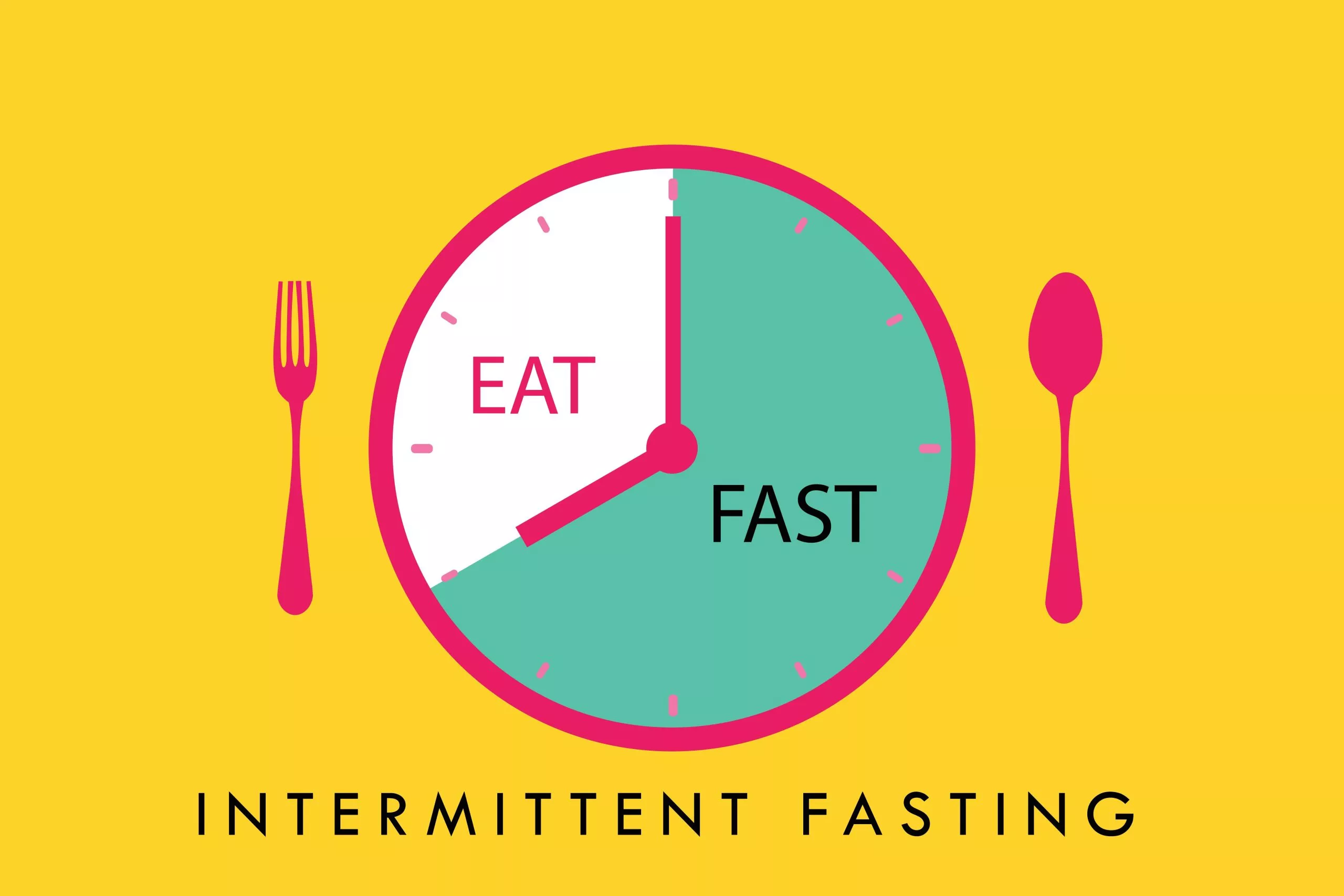
Intermittent Fasting Plan for Metabolic Flexibility
Intermittent Fasting Plan for Metabolic Flexibility structures eating windows to manipulate energy balance, insulin dynamics, substrate oxidation, circadian alignment, and behavioral compliance while preserving lean mass and metabolic rate.
Time Restricted Eating and Energy Control
Time restricted eating compresses caloric intake into defined daily windows. Common structures include sixteen hour fast with eight hour feeding window, fourteen hour fast, and alternate day fasting. These patterns trend because they simplify compliance and reduce spontaneous caloric intake without continuous calorie counting.
Energy balance remains determinant. Fasting does not override thermodynamics. Weight loss occurs when average caloric intake across the week falls below total daily energy expenditure. The mechanism is reduced eating opportunity. The National Institute of Diabetes and Digestive and Kidney Diseases explains energy balance principles at NIDDK energy balance overview.
During fasting, glycogen stores deplete. Liver glycogen declines first, followed by increased reliance on fatty acid oxidation. This metabolic shift is frequently labeled metabolic switching. A review published through the National Center for Biotechnology Information describes metabolic switching during fasting at NCBI metabolic switching review.
Insulin levels fall during fasting. Lower insulin permits greater lipolysis. However, fat loss depends on cumulative deficit, not transient insulin suppression. Elevated insulin during feeding does not negate deficit if total calories remain controlled.
Time restricted eating often reduces late night eating. Late caloric intake associates with higher total intake and poorer glycemic control. Circadian rhythm research summarized by the National Institutes of Health at NIH circadian metabolism research demonstrates that metabolic processes follow daily cycles.
Compressing intake may improve adherence by removing breakfast or evening snacks. Behavioral simplicity increases compliance. Fewer meals mean fewer decision points. Reduced exposure to hyperpalatable foods lowers impulsive intake.
Hunger waves during fasting follow circadian patterns. Ghrelin peaks align with habitual meal times. When meal timing shifts consistently, ghrelin rhythms adjust. This adaptation reduces perceived hunger over time.
Alternate day fasting introduces larger fasting intervals. Some protocols permit limited caloric intake on fasting days. Research comparing alternate day fasting with continuous restriction indicates similar weight loss when weekly calories are matched, as described in trials summarized at JAMA intermittent fasting trial overview.
Time restricted eating does not mandate specific macronutrient ratios. Macronutrient quality determines satiety, lean mass retention, and micronutrient adequacy. High protein intake remains critical.
Fasting increases reliance on stored triglycerides during the fasted state. However, fat oxidation during fasting does not guarantee net fat loss if feeding window includes caloric surplus. Oxidation and storage balance over twenty four hours defines outcome.
Hydration during fasting supports cognitive function and training performance. Water, unsweetened tea, and black coffee contain negligible calories. Caffeine may suppress appetite transiently but tolerance develops.
Electrolyte balance becomes relevant in extended fasting beyond twenty four hours. Sodium loss through urine increases during low insulin states. Inadequate sodium intake may produce fatigue and dizziness.
Adherence rates determine effectiveness. Some individuals experience improved compliance with fasting due to structure. Others experience compensatory overeating during feeding windows. Self monitoring clarifies pattern.
Weight loss from fasting includes water reduction from glycogen depletion. Interpreting early rapid changes requires understanding of fluid dynamics.
Time restricted eating often aligns with work schedules. Skipping breakfast or dinner reduces meal preparation burden. However, social and family eating patterns may conflict with rigid windows.
Metabolic adaptation occurs with prolonged energy deficit regardless of fasting or continuous restriction. Resting metabolic rate declines proportionally to weight loss and adaptive thermogenesis.
Fasting should not be equated with starvation. Controlled intermittent fasting provides adequate weekly calories. Chronic severe restriction without refeeding risks lean mass loss and endocrine disruption.
Intermittent Fasting Plan for Metabolic Flexibility and Insulin Sensitivity
Insulin sensitivity improves when adiposity decreases. Fasting can contribute indirectly through weight loss. Direct effects independent of weight loss remain under investigation. Studies summarized by the American Diabetes Association at ADA fasting and insulin sensitivity overview indicate improvements primarily driven by caloric reduction.
Metabolic flexibility refers to the capacity to switch between carbohydrate and fat oxidation depending on availability. Sedentary individuals with insulin resistance exhibit reduced flexibility. Regular fasting intervals may enhance enzymatic pathways involved in fatty acid transport and oxidation.
AMP activated protein kinase activation increases during low energy states. This enzyme promotes fatty acid oxidation and inhibits anabolic pathways. Cellular energy sensing mechanisms are reviewed at NCBI AMPK physiology summary.
Autophagy is often cited in fasting discussions. Autophagy involves cellular recycling of damaged components. Evidence in humans remains limited compared to animal models. The Nobel Prize winning work on autophagy is summarized at Nobel Prize autophagy background. Translating mechanistic findings into clinical outcomes requires caution.
Improved glycemic control during time restricted eating may result from reduced caloric intake and weight loss. In individuals with prediabetes, structured fasting combined with caloric control can reduce fasting glucose and hemoglobin A one c.
Lipid profile changes during fasting vary. Some individuals experience reductions in triglycerides due to weight loss. Others may observe temporary increases in LDL cholesterol during rapid fat loss. Lipid interpretation requires context of overall metabolic health.
Cortisol patterns interact with fasting. Morning cortisol rise supports glucose availability. Prolonged psychological stress combined with fasting may amplify perceived stress load. Sleep quality moderates this interaction.
Exercise in fasted state increases reliance on fat oxidation during the session. However, total daily fat loss remains governed by overall energy balance. Fasted training may reduce perceived gastrointestinal discomfort for some individuals.
Muscle protein synthesis requires amino acids. Extended fasting reduces anabolic signaling. Resistance training combined with adequate protein during feeding window mitigates lean mass loss.
Women may exhibit different endocrine responses to aggressive fasting. Energy availability below physiological threshold can disrupt reproductive hormone signaling. Clinical discussions on energy availability in women are available at NCBI female athlete triad overview.
Individuals with type one diabetes, advanced liver disease, or history of eating disorders require medical supervision before initiating fasting protocols. Risk assessment precedes experimentation.
Metabolic flexibility improves with combined interventions: resistance training, aerobic conditioning, and controlled fasting. Single variable focus oversimplifies system complexity.
Insulin suppression during fasting increases lipolysis. Free fatty acids enter circulation and undergo beta oxidation in mitochondria. Ketone production may rise if fasting extends sufficiently.
Ketone production does not automatically imply superior fat loss. Ketones reflect substrate availability. Net adipose reduction requires sustained negative energy balance across feeding cycles.
Chronic overfeeding blunts insulin sensitivity regardless of fasting frequency. Alternating extreme restriction and surplus destabilizes metabolic regulation.
Blood pressure may decrease during weight loss induced by fasting. Sodium management and hydration influence magnitude.
Metabolic health markers improve when fasting reduces body fat, particularly visceral fat. Visceral adiposity associates with higher cardiometabolic risk.
Nutrient Timing, Protein Distribution, and Lean Mass
Protein intake during feeding window must meet daily requirement. Compressing intake into fewer meals increases per meal protein load. Muscle protein synthesis exhibits a saturation threshold per feeding.
Even distribution across two or three meals within feeding window may optimize anabolic response. Large single meal with inadequate protein fails to stimulate repeated synthesis cycles.
Resistance training performed within feeding window allows immediate protein ingestion post exercise. Training at end of fasting period delays amino acid availability. Total daily protein remains dominant factor, yet timing influences acute recovery.
Leucine threshold per meal influences muscle protein synthesis activation. High quality protein sources such as eggs, dairy, lean meat, and soy provide adequate leucine concentration.
Caloric deficit increases risk of lean mass loss. Fasting magnifies duration without amino acid supply. Adequate protein intake between one point six and two point two grams per kilogram body weight mitigates loss, consistent with guidance summarized at International Society of Sports Nutrition protein position stand.
Carbohydrate intake around resistance training supports glycogen replenishment. Low glycogen impairs high volume performance. Fasting protocols that eliminate pre workout carbohydrates may reduce output for some individuals.
Dietary fat intake supports absorption of fat soluble vitamins and endocrine function. Extremely low fat intake combined with fasting increases fatigue and hormonal disturbance risk.
Micronutrient density becomes critical when meals are fewer. Each meal must deliver sufficient vitamins and minerals. Vegetables, fruits, legumes, whole grains, and lean proteins provide coverage.
Fiber intake regulates appetite during feeding window. High fiber meals increase satiety and reduce overeating risk. Fiber fermentation produces short chain fatty acids beneficial for gut health.
Hydration during feeding window must compensate for fasting period. Concentrated intake may cause gastrointestinal discomfort if volume is excessive. Spacing fluids within feeding window improves tolerance.
Creatine supplementation supports phosphocreatine stores independent of fasting schedule. Timing within feeding window with carbohydrate may enhance uptake, though total daily intake remains primary determinant.
Omega three fatty acids support cardiovascular health. Incorporating fatty fish or supplementation within feeding window ensures adequacy without breaking fast.
Electrolyte intake, particularly sodium and potassium, influences performance and cognitive clarity. Fasting increases urinary sodium excretion due to lower insulin.
Bone health requires adequate calcium and vitamin D. Reduced meal frequency must still supply sufficient intake. Dairy or fortified alternatives support this requirement.
Lean mass preservation correlates with training intensity and total protein. Extended fasts beyond twenty four hours without resistance training accelerate muscle catabolism.
Body composition monitoring through dual energy X ray absorptiometry or bioimpedance provides data on lean mass changes. Weight alone lacks resolution.
Circadian Biology and Meal Timing
Human metabolism follows circadian rhythms regulated by central clock in suprachiasmatic nucleus and peripheral clocks in tissues. Eating acts as a zeitgeber for peripheral clocks. Misalignment between eating time and circadian phase impairs glucose tolerance.
Early time restricted feeding aligns caloric intake with daylight hours. Studies examining early feeding windows demonstrate improved insulin sensitivity compared with late feeding, independent of weight loss. Research discussed in clinical summaries at NIH early time restricted feeding study illustrates circadian influence.
Shift workers exhibit higher metabolic disease risk partly due to circadian disruption. Fasting protocols that ignore work schedule may worsen misalignment.
Melatonin secretion increases in evening and impairs insulin secretion. Consuming large carbohydrate meals late at night during high melatonin phase reduces glucose tolerance.
Chronotype influences optimal feeding window. Morning types may tolerate early windows better than evening types. However, behavioral consistency outweighs theoretical chronotype optimization.
Sleep restriction increases ghrelin and decreases leptin, increasing hunger. Fasting combined with sleep deprivation amplifies appetite dysregulation. Sleep hygiene stabilizes fasting adherence.
Light exposure in morning anchors circadian rhythm. Fasting without adequate light cues may not correct misalignment.
Caffeine intake late in day disrupts sleep architecture. Fasting individuals relying on high caffeine to suppress hunger may impair recovery.
Gut microbiota exhibits diurnal oscillation influenced by feeding time. Irregular eating patterns disrupt microbial diversity. Consistent fasting and feeding windows may stabilize microbial rhythms.
Glucose tolerance declines in evening. Large evening feeding windows may impair glycemic control relative to earlier windows.
Long term sustainability depends on integrating fasting window with occupational and social obligations. Chronic conflict between schedule and fasting increases dropout risk.
Circadian alignment enhances metabolic efficiency. Disregarding biological rhythms increases metabolic strain.
Behavioral Architecture and Long Term Adherence
Intermittent fasting simplifies decision architecture by defining non eating periods. Clear boundaries reduce negotiation with appetite impulses.
However, rigid rules without flexibility increase risk of binge episodes during feeding window. Structured but adaptable framework maintains control.
Tracking total caloric intake during feeding window prevents compensatory overeating. Fasting alone without intake awareness may result in neutral energy balance.
Environmental control remains necessary. Availability of calorie dense foods during feeding window determines intake magnitude.
Stress management influences fasting tolerance. High stress increases desire for rapid energy sources. Emotional regulation skills reduce reliance on food for coping.
Social eating events often occur in evening. Fasting windows that exclude social meals reduce adherence. Planning feeding window around fixed commitments improves consistency.
Plateaus during fasting require evaluation of intake creep. Larger portion sizes during feeding window often negate deficit.
Weekly average weight trend offers clearer signal than daily measurement. Fasting induces water fluctuations due to glycogen shifts.
Maintenance phase after weight loss requires recalibration of feeding window or caloric intake to prevent regain. Continuing aggressive fasting at maintenance may reduce dietary flexibility and social integration.
Psychological identity shift from dieting to structured eating enhances durability. Fasting becomes normal routine rather than temporary intervention.
Eating speed during feeding window influences total intake. Rapid consumption overrides satiety signals. Slower eating increases fullness perception.
Liquid calories during feeding window reduce satiety relative to solid foods. Minimizing sugary beverages reduces inadvertent surplus, consistent with evidence discussed at Harvard sugary drink analysis.
Long fasts may impair high intensity training output if not supported by adequate feeding window nutrition. Training periodization aligned with feeding times sustains performance.
Monitoring biofeedback such as energy levels, menstrual regularity, libido, and training performance detects excessive restriction early.
Intermittent fasting remains a tool, not a requirement. It functions when it enforces sustainable caloric deficit, preserves lean mass through adequate protein and resistance training, aligns with circadian biology, and integrates into lifestyle without chronic psychological strain. Metabolic flexibility improves when fasting is embedded within comprehensive system of energy control, nutrient sufficiency, sleep regulation, and structured training rather than treated as isolated solution.
About the Author