
Gut Health Reset for Metabolic Balance
Gut Health Reset for Metabolic Balance is emerging as a central strategy in modern preventive medicine, driven by growing evidence that the gut microbiome directly regulates blood sugar control, inflammation, appetite signaling, immune resilience, and fat storage. Research summarized by the National Institutes of Health demonstrates that microbial diversity influences insulin sensitivity and systemic metabolic stability. Disruption of this ecosystem through ultra-processed foods, chronic stress, antibiotics, and sleep deprivation accelerates metabolic dysfunction.
This guide consolidates current health trends into a biologically grounded reset protocol focused on restoring microbial balance, reducing inflammation, and reprogramming metabolic efficiency.
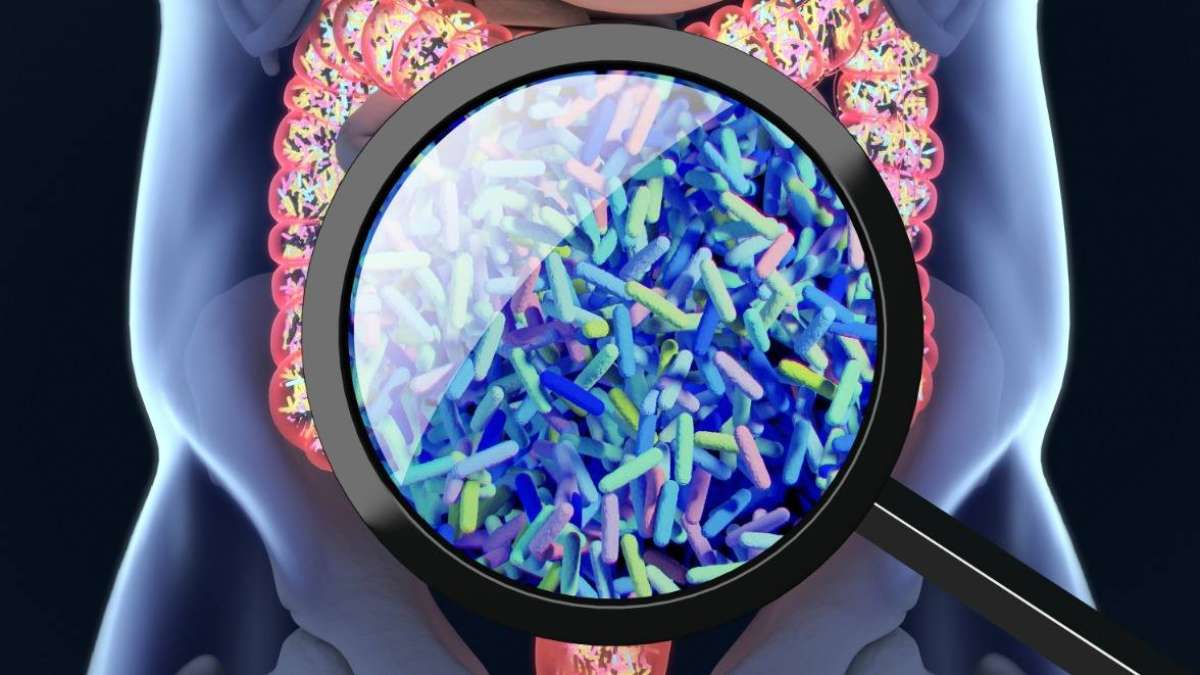
The Microbiome and Metabolism Connection
The human gut hosts over one hundred trillion microorganisms that act as a metabolic control system. These microbes ferment fiber into short-chain fatty acids, regulate hormone release, and shape immune responses.
How Gut Bacteria Regulate Blood Sugar
Beneficial bacteria such as Akkermansia muciniphila and Faecalibacterium prausnitzii strengthen the intestinal barrier and improve insulin sensitivity. Studies cited by Harvard Medical School show that higher microbial diversity correlates with lower risk of type two diabetes and obesity.
Short-chain fatty acids like butyrate reduce gut permeability and lower inflammatory markers, preventing metabolic endotoxemia that drives insulin resistance.
Inflammation as a Metabolic Disruptor
Chronic low-grade inflammation originates in the gut when harmful bacteria dominate. According to Cleveland Clinic, intestinal barrier breakdown allows bacterial toxins into circulation, triggering immune activation that interferes with fat metabolism and glucose regulation.
This inflammatory cascade directly contributes to weight gain, fatigue, hormone imbalance, and metabolic syndrome.
Modern Habits That Damage Gut Health
Contemporary lifestyles systematically degrade microbial diversity.
Ultra-Processed Foods
Emulsifiers, artificial sweeteners, and refined carbohydrates alter gut bacterial composition. Research published in Nature shows that common food additives increase gut permeability and inflammation in both animals and humans.
Chronic Stress
The gut-brain axis transmits stress signals that suppress beneficial microbes and increase pathogenic strains. The American Psychological Association documents how cortisol disrupts digestion and microbial balance.
Antibiotic Overuse
While lifesaving, antibiotics eliminate both harmful and beneficial bacteria. According to the Centers for Disease Control and Prevention, repeated exposure significantly increases long-term metabolic risk by permanently altering microbiome composition.
Sleep Deprivation
Circadian rhythm disruption shifts microbial populations toward inflammatory profiles. Studies summarized by Sleep Foundation link poor sleep to insulin resistance mediated through microbiome imbalance.
Gut Health Reset for Metabolic Balance Protocol

A reset does not involve extreme cleanses or supplements. It rebuilds the microbial ecosystem using food, rhythm, and physiological inputs.
Step One: Eliminate Microbiome Disruptors
Remove:
- Sugary beverages
- Packaged snacks with additives
- Refined flour products
- Artificial sweeteners
- Excess alcohol
The World Health Organization confirms that reducing ultra-processed foods lowers systemic inflammation and metabolic disease risk.
Step Two: Flood the Gut With Prebiotic Fiber for Gut Health Reset
Prebiotics feed beneficial bacteria.
High-impact sources:
- Chicory root
- Garlic
- Onions
- Leeks
- Asparagus
- Green bananas
- Oats
According to Johns Hopkins Medicine, fiber fermentation drives production of protective short-chain fatty acids.
Step Three: Introduce Fermented Foods
Live cultures restore microbial diversity.
Top performers:
- Yogurt with live cultures
- Kefir
- Sauerkraut
- Kimchi
- Miso
- Tempeh
Clinical reviews in Frontiers in Microbiology demonstrate that fermented foods improve glucose metabolism and inflammatory markers.
Step Four: Stabilize Blood Sugar
Repeated glucose spikes damage gut lining integrity.
Core practices:
- Protein with every meal
- Whole-food carbohydrates only
- Healthy fats for satiety
The American Diabetes Association confirms that balanced macronutrients reduce insulin surges and metabolic strain.
The Role of Specific Nutrients in Microbiome Recovery
Targeted nutrients accelerate gut repair.
Polyphenols
Plant compounds that stimulate beneficial bacteria growth.
High sources:
- Blueberries
- Green tea
- Dark chocolate
- Olive oil
- Pomegranates
Research summarized by Nutrition Reviews links polyphenols to improved insulin sensitivity and reduced inflammation.
Omega Three Fatty Acids
Support gut barrier integrity and anti-inflammatory pathways.
Sources:
- Fatty fish
- Flaxseeds
- Chia seeds
- Walnuts
The National Library of Medicine shows omega three intake increases beneficial microbial species.
Glutamine
Primary fuel for intestinal cells.
Found in:
- Bone broth
- Eggs
- Turkey
- Spinach
According to Clinical Nutrition, glutamine improves gut permeability and immune regulation.
Lifestyle Inputs That Reinforce Gut Health Reset Balance
Food alone cannot fully restore metabolic harmony.
Circadian Rhythm Alignment
Eating within consistent time windows improves microbial oscillations. Studies in Cell Metabolism show time-restricted eating reshapes gut bacteria toward lean metabolic profiles.
Physical Activity
Moderate exercise increases microbial diversity. Research from Sports Medicine connects movement with higher levels of anti-inflammatory bacteria.
Stress Regulation
Breathing practices, mindfulness, and exposure to nature lower cortisol and protect microbial stability. The National Center for Complementary and Integrative Health documents stress reduction improving gut-brain signaling.
Signs the Reset Is Working
Physiological improvements emerge in phases.
Early Changes
- Reduced bloating
- Improved bowel regularity
- More stable energy
Intermediate Shifts
- Appetite normalization
- Fewer sugar cravings
- Improved sleep depth
Long-Term Metabolic Benefits
- Enhanced insulin sensitivity
- Fat loss without caloric restriction
- Lower inflammatory markers
Clinical monitoring studies summarized by Mayo Clinic confirm these trajectories following microbiome interventions.
Common Myths About Gut Health
Myth: Probiotic Supplements Fix Everything
Without fiber and dietary change, most strains fail to colonize effectively. Whole foods provide broader microbial exposure and sustainability.
Myth: Detox Cleanses Reset the Microbiome
Extreme fasting and laxatives often worsen gut barrier damage. Evidence from British Journal of Nutrition shows no metabolic benefit.
Myth: All Bacteria Are Harmful
Microbial diversity is essential for immune regulation and metabolic efficiency. Sterility increases disease risk.
Long-Term Maintenance Strategy
Sustainable gut health relies on rhythm, not restriction.
Core principles:
- Predominantly whole foods
- Daily fiber intake above twenty five grams
- Regular fermented foods
- Consistent sleep schedule
- Ongoing stress regulation
The European Society of Gastroenterology identifies lifestyle stability as the strongest predictor of microbiome resilience.
The Broader Impact on Chronic Disease
Restoring gut balance affects nearly every major health outcome.
Conditions influenced by microbiome health:
- Obesity
- Type two diabetes
- Cardiovascular disease
- Autoimmune disorders
- Depression and anxiety
A comprehensive review in Nature Reviews Endocrinology links microbial dysfunction to hormonal and metabolic disease pathways.
Final Synthesis
Gut restoration is not a wellness trend. It is a metabolic control strategy grounded in human biology. Rebuilding microbial diversity through fiber, fermented foods, circadian alignment, movement, and inflammation reduction directly recalibrates insulin sensitivity, fat metabolism, immune resilience, and energy regulation.
When the gut ecosystem stabilizes, metabolic balance follows automatically.
This is the foundation of sustainable health.
About the Author