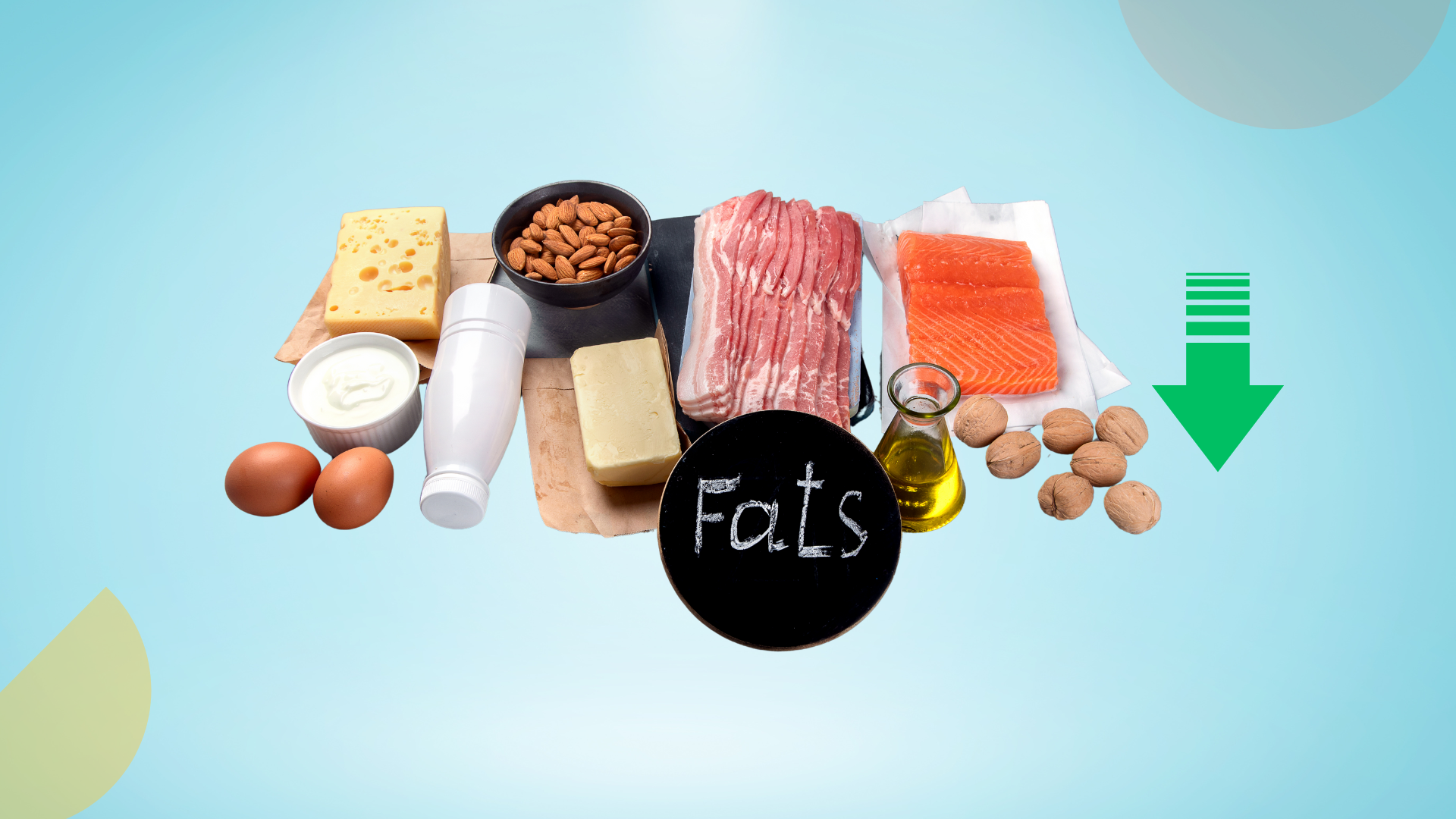
Fat Burning Foods That Actually Change Metabolism
Fat Burning Foods That Actually Change Metabolism are defined not by marketing labels but by their measurable influence on thermogenesis, insulin control, satiety hormones, and mitochondrial energy use. Certain foods alter how the body partitions energy, encouraging oxidation rather than storage, while others amplify metabolic inefficiency despite similar calorie values.
Protein Dense Foods Increase Thermic Effect of Feeding
Protein requires significantly more energy to digest compared with carbohydrates or fats. This phenomenon, known as the thermic effect of food, raises postprandial energy expenditure and reduces net caloric availability. Clinical overviews from the Harvard T H Chan School of Public Health show that protein rich diets enhance satiety while preserving lean mass during weight reduction.
Lean meats, eggs, fish, and dairy stimulate glucagon release alongside insulin, creating a hormonal environment that favors fat mobilization. Unlike refined carbohydrates, these foods produce gradual amino acid absorption, stabilizing blood glucose and preventing rebound hunger.
Muscle maintenance is inseparable from fat loss because skeletal muscle dictates resting metabolic rate. Adequate protein intake signals the body to retain metabolically active tissue rather than degrade it during caloric deficits.
Fiber Rich Plants Regulate Insulin and Gut Signaling
:max_bytes(150000):strip_icc()/EWL-8044305-best-high-fiber-vegetables-hero-d6d32bfd917f4152b57d4c16a947d7e5.jpg)
Vegetables, legumes, and whole fruits slow glucose absorption through viscous fiber content. Slower digestion lowers insulin demand, allowing hormone sensitive lipase to release stored fatty acids. Research summarized in Nutrients demonstrates that soluble fiber improves metabolic markers linked to obesity and insulin resistance.
Fiber also feeds gut microbiota that produce short chain fatty acids such as butyrate, which enhance mitochondrial efficiency and reduce inflammation. These microbial metabolites act as signaling molecules that influence appetite regulation and fat oxidation.
Low fiber diets, dominated by processed grains, bypass these regulatory pathways, encouraging passive overconsumption and metabolic stagnation.
Thermogenic Spices and Compounds Increase Energy Expenditure
Capsaicin in chili peppers, catechins in green tea, and gingerols in ginger stimulate sympathetic nervous system activity, modestly increasing thermogenesis. These compounds elevate norepinephrine levels, enhancing lipolysis and oxidation.
Meta analyses discussed by the National Institutes of Health Office of Dietary Supplements describe how bioactive compounds can slightly increase daily energy expenditure when combined with dietary control.
The magnitude is not extreme, but cumulative exposure supports metabolic responsiveness rather than suppression. These foods act as metabolic amplifiers rather than primary drivers.
Fat Sources That Improve Hormonal Efficiency
Unsaturated fats from olive oil, nuts, seeds, and fatty fish improve insulin sensitivity and reduce inflammatory signaling. Chronic inflammation interferes with metabolic flexibility, locking the body into storage mode.
Guidelines from the American Heart Association identify monounsaturated and omega three fats as supportive of cardiometabolic health and lipid regulation.
Dietary fat slows gastric emptying, producing sustained energy release and reducing rapid glucose fluctuations that drive hunger cycles. Proper fat intake therefore stabilizes appetite while enabling the body to utilize fat as fuel.
Fat Burning Foods That Actually Change Metabolism
The defining feature of metabolically favorable foods is their ability to create internal conditions that permit fat oxidation. Foods that stabilize insulin, increase satiety, and support mitochondrial function indirectly determine whether stored adipose tissue becomes accessible energy.
Whole dietary patterns built around these foods consistently outperform restrictive dieting models. Comparative trials published in JAMA show dietary quality predicts fat loss sustainability more strongly than calorie targets alone.
Metabolism responds to biochemical signals, not food reputation.
Marine Based Proteins Enhance Fat Oxidation Pathways
Fatty fish such as salmon, sardines, and mackerel supply omega three fatty acids EPA and DHA, which influence gene expression related to lipid metabolism. These compounds activate peroxisome proliferator activated receptors involved in fatty acid oxidation.
Scientific reviews in Frontiers in Physiology explain how omega three intake improves mitochondrial beta oxidation and reduces inflammatory markers associated with visceral fat accumulation.
Marine proteins also provide high satiety density, lowering spontaneous calorie intake without deliberate restriction.
Fermented Foods Improve Nutrient Partitioning
Yogurt, kefir, kimchi, and other fermented foods introduce beneficial bacteria that shape metabolic signaling. Microbial diversity correlates with improved insulin sensitivity and reduced systemic inflammation.
Findings discussed in Nature Reviews Endocrinology highlight the microbiome’s influence on obesity risk through energy harvest efficiency and immune regulation.
A resilient gut ecosystem determines how efficiently nutrients are used versus stored, making fermentation an indirect but meaningful contributor to fat metabolism.
Whole Grains Provide Controlled Energy Release
Intact grains such as oats, quinoa, and brown rice digest slowly due to fiber structure and resistant starch content. Resistant starch escapes digestion in the small intestine and undergoes fermentation in the colon, producing metabolites linked to improved metabolic health.
Evidence summarized by the British Journal of Nutrition associates resistant starch consumption with enhanced fat oxidation and improved insulin response.
Refined grains lack this structural complexity, delivering rapid glucose exposure that encourages storage rather than utilization.
Hydrating Foods Support Lipolysis
Water rich foods such as cucumbers, leafy greens, and citrus fruits contribute to hydration status, which influences enzymatic fat breakdown. Lipolysis requires hydrolytic reactions dependent on adequate fluid balance.
Clinical resources from the Mayo Clinic emphasize hydration as a factor in efficient metabolism and appetite regulation.
Mild dehydration elevates cortisol, indirectly encouraging abdominal fat storage.
Eggs as a Satiety and Metabolic Regulator

Eggs combine high biological value protein with micronutrients such as choline, which supports liver function in lipid metabolism. Controlled trials reported in the International Journal of Obesity show egg based breakfasts increase satiety and reduce later calorie intake compared with refined grain alternatives.
Stable satiety reduces grazing behavior, allowing insulin levels to fall between meals and enabling fat mobilization.
Legumes Provide Dual Protein and Fiber Advantage
Beans, lentils, and chickpeas combine plant protein with fermentable fiber, creating both thermogenic and microbiome benefits. Their slow digestion leads to sustained glucose release and prolonged fullness.
Nutritional analyses referenced by the Food and Agriculture Organization describe legumes as low glycemic foods associated with improved weight management outcomes.
This dual composition makes legumes metabolically efficient despite moderate carbohydrate content.
Green Tea Compounds Influence Fat Utilization
Green tea contains epigallocatechin gallate, a catechin shown to enhance fat oxidation during rest and exercise. These compounds interact with enzymes that regulate norepinephrine breakdown, prolonging thermogenic signaling.
Human studies summarized in the American Journal of Clinical Nutrition report modest but measurable increases in daily energy expenditure linked to green tea consumption.
The effect is cumulative and dependent on consistent intake within an overall supportive diet.
Dairy Calcium and Peptide Effects on Adiposity
Dairy products provide calcium and bioactive peptides that influence lipid metabolism and appetite hormones. Some research indicates calcium intake may modestly increase fat excretion and metabolic efficiency.
Reviews available through Obesity Reviews explore associations between dairy consumption and improved body composition when included in balanced diets.
Fermented dairy further enhances microbiome diversity, compounding metabolic benefits.
Foods Alone Do Not Burn Fat Without Context
No single food overrides metabolic regulation. Fat loss occurs when dietary patterns create sustained hormonal conditions favorable to energy utilization. Isolated superfood narratives ignore this systems biology reality.
The World Health Organization emphasizes overall dietary patterns rather than individual foods as determinants of long term weight control and metabolic health.
Foods function collectively to regulate appetite, insulin dynamics, inflammation, and mitochondrial throughput.
Integration With Energy Demand Determines Outcome
Metabolically supportive foods must align with physical activity that creates energy demand. Nutrient intake without muscular demand limits glucose disposal capacity, increasing storage probability.
Exercise metabolism research published in the Journal of Applied Physiology demonstrates that active muscle acts as a primary sink for circulating nutrients, preventing conversion to adipose tissue.
Diet and movement therefore operate as a unified metabolic signal rather than independent variables.
Long Term Dietary Structure Drives Sustainable Fat Reduction
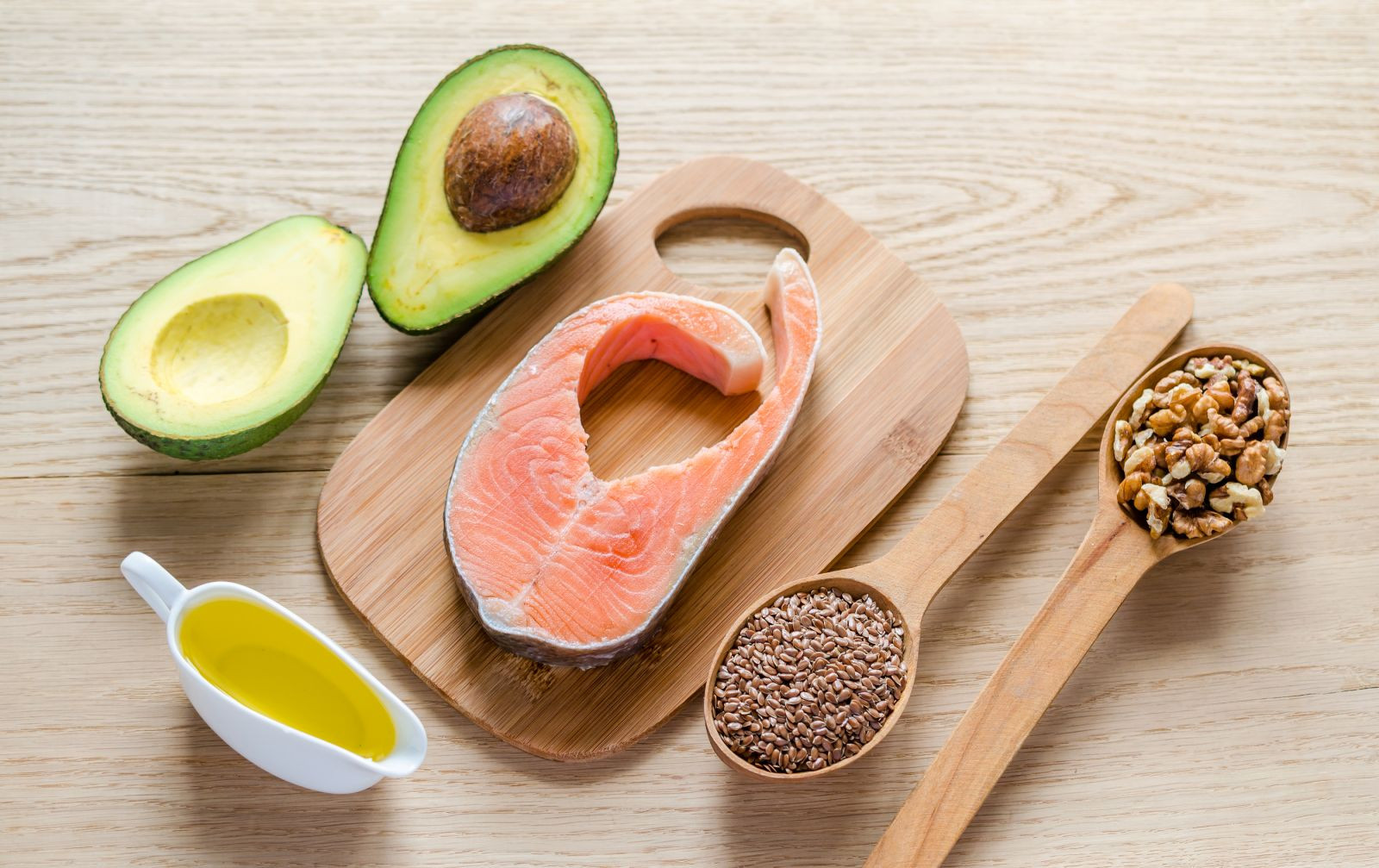
Consistent consumption of protein rich, fiber dense, minimally processed foods stabilizes appetite and maintains higher thermogenic output. Over time, this environment reduces reliance on willpower by aligning biological signals with energy needs.
Population studies tracked by the Framingham Heart Study link whole food dietary patterns to healthier body composition across decades.
Fat metabolism improves gradually as insulin sensitivity, mitochondrial function, and hormonal balance normalize through repeated exposure to supportive foods.
Mechanistic Summary of Metabolically Active Foods
Protein increases thermogenesis and lean mass retention.
Fiber regulates glucose absorption and microbiome signaling.
Unsaturated fats stabilize hormones and reduce inflammation.
Bioactive plant compounds stimulate mild thermogenesis.
Fermented foods enhance microbial efficiency.
Hydrating foods support enzymatic fat breakdown.
Whole carbohydrates maintain controlled energy release.
These mechanisms collectively create a metabolic environment in which stored fat is consistently accessed as fuel rather than preserved as reserve energy.
About the Author