1. When Rest Became a Weapon: Rethinking the Sweat Culture
For decades, the fitness industry sold us a single, deafening message: go harder or go home. T-shirts screamed “No pain, no gain.” Trainers barked orders like drill sergeants. Workouts were supposed to hurt—otherwise, they didn’t count. But somewhere along the way, the grind began to grind us down.
In the ashes of burnout, a new message is rising. It whispers, rather than yells. It invites rather than demands. It says: rest is not the opposite of progress—it’s part of it.
The truth? Many people weren’t getting stronger—they were getting hurt. Physically and mentally. Torn ligaments, adrenal fatigue, anxiety spikes, and insomnia were just some of the side effects of the high-intensity everything lifestyle.
Now, a new generation of fitness seekers is flipping the script. They’re saying no to self-punishment and yes to self-trust. They’re embracing slowness as a strategy—not a flaw.
2. The Burnout Backlash: Why We’re Ditching the Hustle-Harder Mentality
This revolution didn’t happen in a vacuum. It was born from crisis. In the wake of a global pandemic, economic instability, and a rising tide of collective anxiety, people began to question the systems they’d previously followed without doubt—including fitness.
Why are we pushing so hard in a world that already feels like too much?
Enter the burnout backlash. Many have come to realize that constantly pushing the limits of physical endurance, in an already stressful world, only accelerates emotional depletion. Hormonal imbalances, elevated cortisol, chronic fatigue—these aren’t badges of honor. They’re red flags.
Gentle fitness is not about doing less for the sake of laziness. It’s about doing different—working with your body instead of against it. For once, people are considering how movement makes them feel rather than how many calories it burns.
And that shift? It’s changing everything.
3. Low-Impact, High-Reward: The Science Behind Gentle Gains

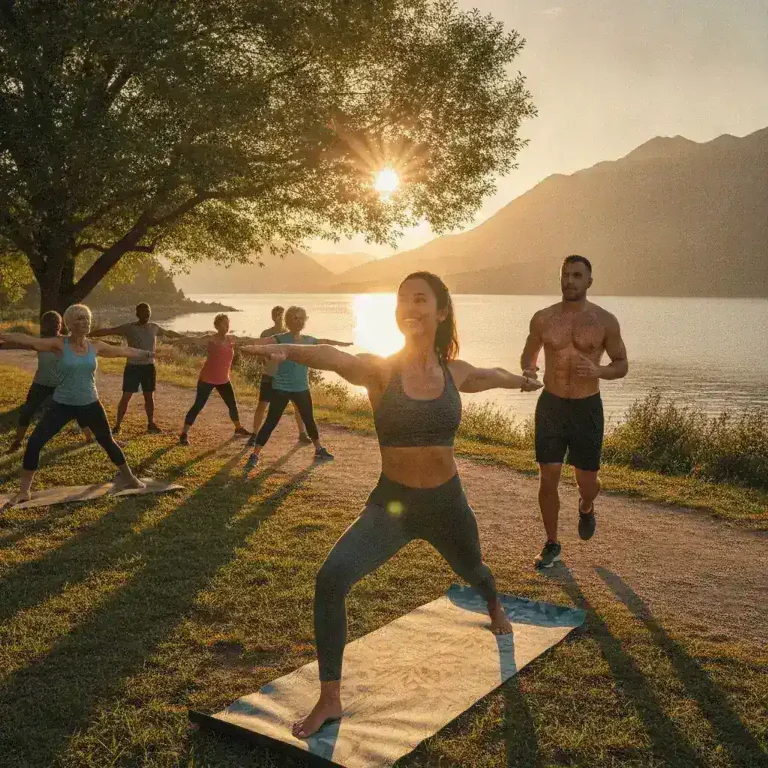
Let’s bust a myth: Gentle movement doesn’t mean you’re slacking off. Research shows that controlled, mindful movement can activate muscle fibers, improve neuromuscular coordination, and support longevity far better than fast-paced, careless reps.
Studies have found:
- Slow resistance training can lead to higher muscle activation than fast training.
- Breath-synced movement, like in yoga or tai chi, reduces inflammation markers and improves cardiovascular function.
- Bodyweight exercises, when performed with control, help build stability, especially in aging populations.
And there’s more. By giving the nervous system a break, gentle movement improves hormonal balance, encourages better sleep, and supports mental clarity. It’s not just about muscles—it’s about wholeness.
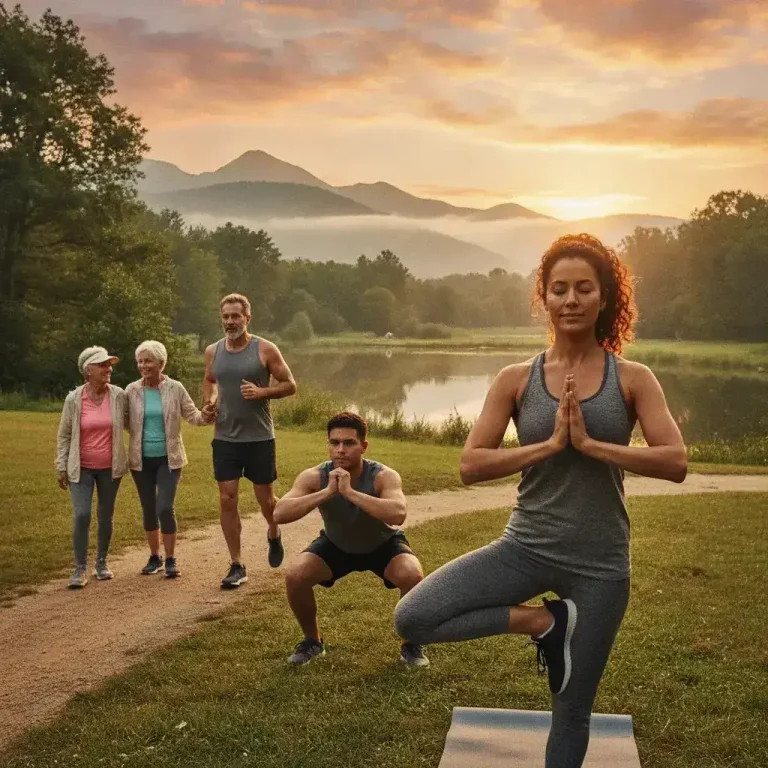
Whether it’s a 30-minute stretch flow, a walk in nature, or a somatic release session, gentle movement reminds us that efficiency can be elegant.
4. Meet the New Fitness Icons: Breathwork Coaches, Somatic Trainers & Flow Architects
Flip through Instagram or TikTok today, and you’ll notice a major vibe shift. No longer is it all about sweat-drenched selfies and protein powder ads. There’s a new wave of fitness influencers, and their approach is more grounded, more attuned, more human.
These new wellness icons include:
- Breathwork facilitators guiding people through emotional release and parasympathetic resets.
- Somatic movement teachers helping individuals reconnect with their bodies through intuitive, trauma-aware practices.
- Mobility experts prioritizing joint health over muscle mass.
They speak about fascia, vagal tone, nervous system hygiene, and the mind-body connection. They don’t yell. They guide. They don’t intimidate. They empower. This is fitness that’s accessible, inclusive, and healing—especially for people who never felt safe or welcome in traditional gyms.
These figures are showing us that true leadership in wellness doesn’t come from dominance, but from presence.
5. Strength You Can Feel: Redefining Progress Without the Scale
In the past, fitness was measured in pounds lost, inches shaved, or PRs smashed. But in the gentle fitness world, progress is deeply personal and refreshingly holistic.
Instead of numbers on a scale, people track:
- “I can pick up my child without pain.”
- “I sleep through the night.”
- “My anxiety has less of a grip on me.”
- “I actually look forward to moving.”
This is embodied strength—the kind that doesn’t just live in your muscles, but in your breath, your bones, your posture, your peace of mind. This kind of strength isn’t loud or flashy. It doesn’t live in a mirror selfie. But it’s the kind that makes life better, not just different.
Gentle fitness gives people a chance to fall in love with movement again, and perhaps for the first time, to fall in love with themselves, too.
6. Digital Zen: How Tech Is Supporting the Gentle Movement
Tech isn’t just about pushing limits anymore. In 2025, some of the smartest tools in wellness are designed to help us slow down, not speed up.
Apps and gadgets worth noting:
- HRV trackers that monitor stress levels and recommend rest days.
- Mobility-focused apps offering short, mindful sequences to combat desk-job stiffness.
- Virtual breathwork and meditation hubs that make inner calm a daily ritual.
- AI-guided gentle routines that adjust based on how your body feels that day.
Technology is no longer just about optimization—it’s about regulation. We’re using it not to max out, but to tune in. Fitness platforms are evolving to recognize that consistency—not intensity—is the secret sauce.
Even influencers now post about their “slow Sundays,” rest rituals, and “nervous system hygiene.” Self-care has gone digital—but in the best, most grounded way.
7. The Future Is Fluid: Fitness as Self-Care, Not Self-Punishment
The shift toward gentle fitness is not just a passing phase—it’s a societal recalibration. People are waking up to the fact that movement should be an act of care, not atonement.
This is especially powerful for:
- Women who were told their worth lived in their size.
- Men conditioned to hide pain or overtrain.
- Neurodivergent individuals seeking movement that honors their sensory world.
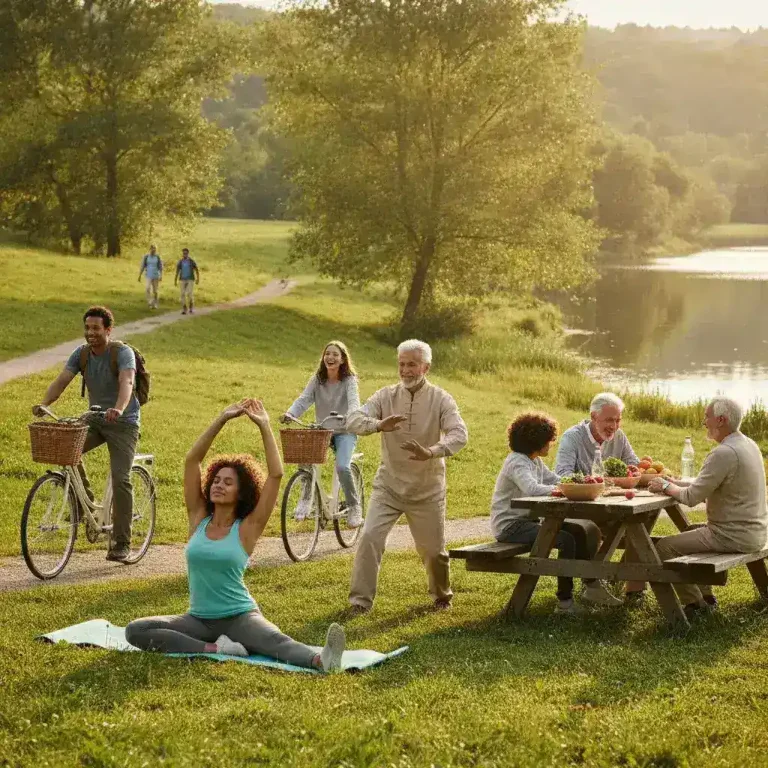
- Older adults redefining what strength means in their 50s, 60s, and beyond.
In this new paradigm, fitness is not a chore—it’s a daily check-in. It becomes something we do with joy, not dread. A daily rhythm. A love letter to the body.
In the end, the quiet revolution of gentle fitness teaches us this simple truth:
You don’t need to break your body to build a strong one. You don’t need to push through pain to prove your worth. You are allowed to move in ways that feel good, nourishing, and kind.
Gentle isn’t weak.
Gentle is powerful.
Gentle is the new strong.
About the Author