1. The Fall of the “No Pain, No Gain” Era
There was a time when the sound of clanging metal and sweat-drenched workouts defined fitness. Gyms echoed with grunts, boot camps promised suffering, and high-intensity meant high status. The belief was simple: the harder, the better. Pain equaled progress. Rest was for the weak.
But somewhere between burnout, injury, and the mental toll of performance pressure, something shifted. Quietly, a movement began—one that valued awareness over adrenaline, sustainability over strain. Enter soft fitness: a new paradigm that is reshaping the way we move, recover, and thrive.
This isn’t laziness wrapped in leggings. It’s a revolution rooted in science, self-compassion, and long-term strength. Today, “soft” doesn’t mean easy—it means smart.
2. What Is Soft Fitness, Really?
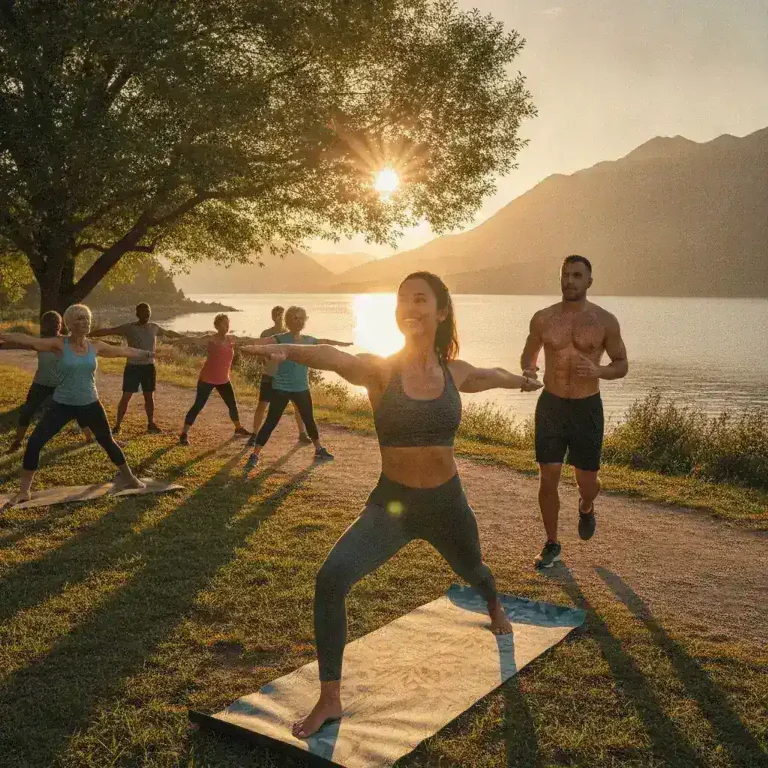
Soft fitness isn’t a specific method—it’s a mindset. It includes practices like:
- Low-impact strength training
- Mobility and balance exercises
- Bodyweight movement
- Functional movement flows
- Somatic-based approaches like Feldenkrais and Alexander Technique
- Slow resistance routines and isometric holds
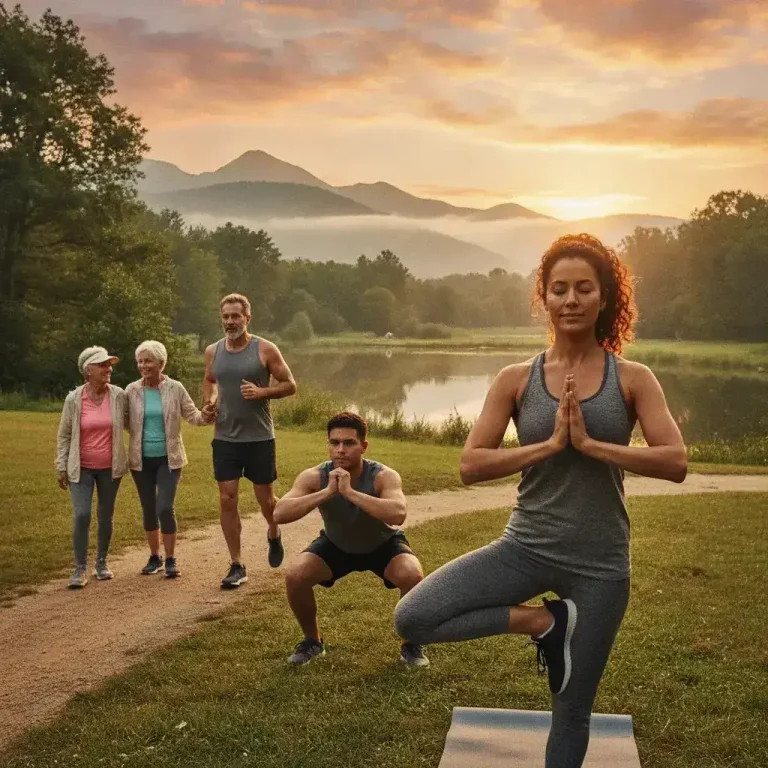
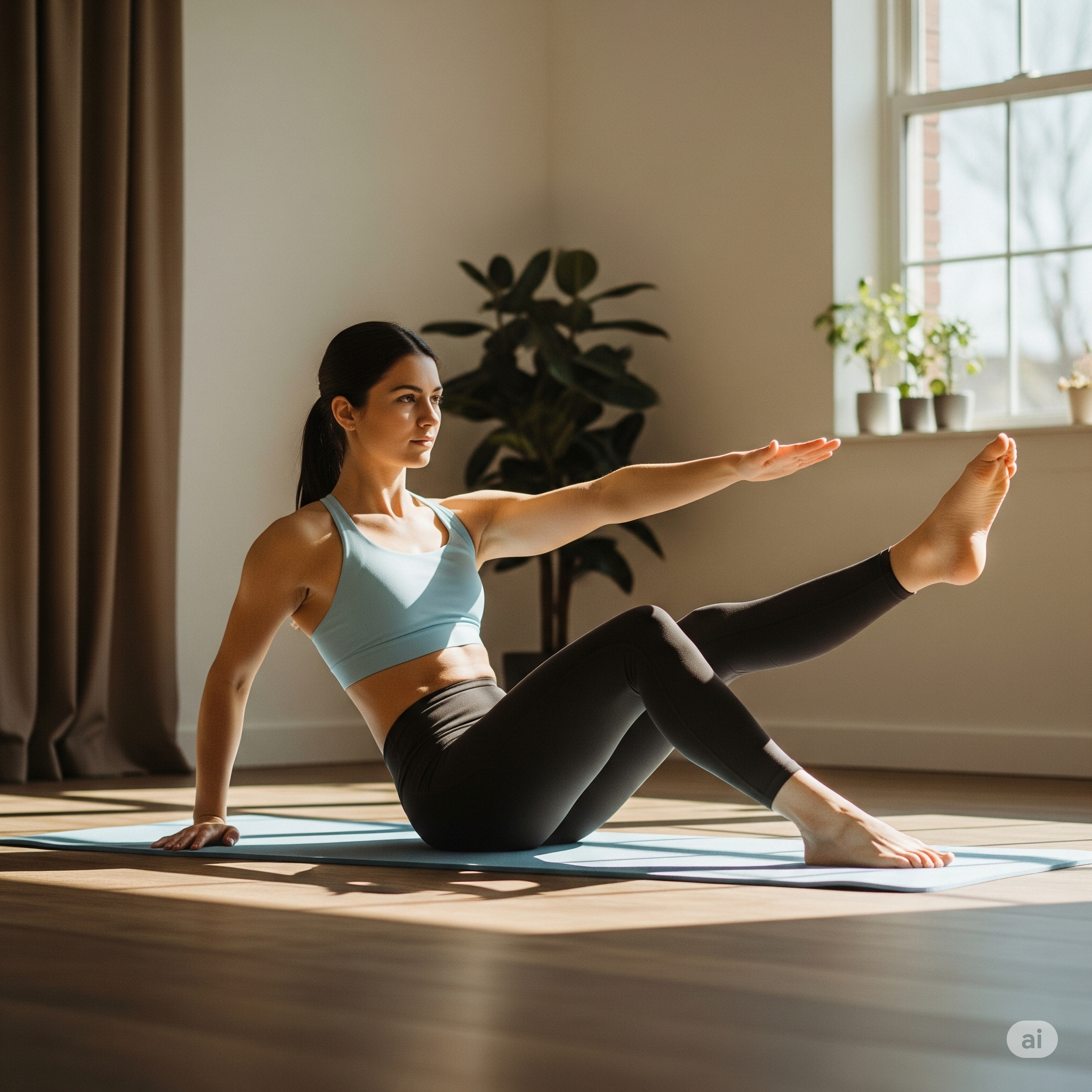
These movements are often performed mindfully, slowly, and with intention. There’s a strong focus on breath, posture, alignment, and inner sensation—qualities that were once dismissed in traditional gym culture but are now recognized as the key to long-term wellness.
What’s revolutionary? These workouts don’t wreck you. They nurture your nervous system, challenge your core in subtle ways, and build muscle without grinding your joints into dust.
3. The Science of Going Slow (And Getting Strong)

It’s easy to assume that slower means weaker. But research tells a different story.
Controlled, slower movements—especially under tension—can:
- Increase muscle activation
- Enhance joint stability
- Improve proprioception (body awareness)
- Build functional strength
- Boost injury resilience
In fact, eccentric movement (the lowering phase of an exercise) performed slowly is one of the most effective ways to stimulate muscle growth and protect ligaments. That’s right: slowing down may be your shortcut to getting stronger.
Moreover, softer forms of exercise tend to activate the parasympathetic nervous system, reducing cortisol and inflammation. That makes them ideal for people managing chronic stress, autoimmune conditions, or recovering from injury or burnout.
4. Built for the Long Haul: Why This Is the Future of Fitness
Soft fitness isn’t a trend. It’s an adaptive response to a modern world that’s chronically overstimulated and overstretched.
Our bodies weren’t built to endure constant cortisol spikes and overtraining. Yet for decades, gym culture pushed the notion that progress required punishment.
Soft fitness flips the script. Instead of crashing through fatigue, it teaches you to listen to your body. To move in ways that support your lifestyle—not sabotage it.
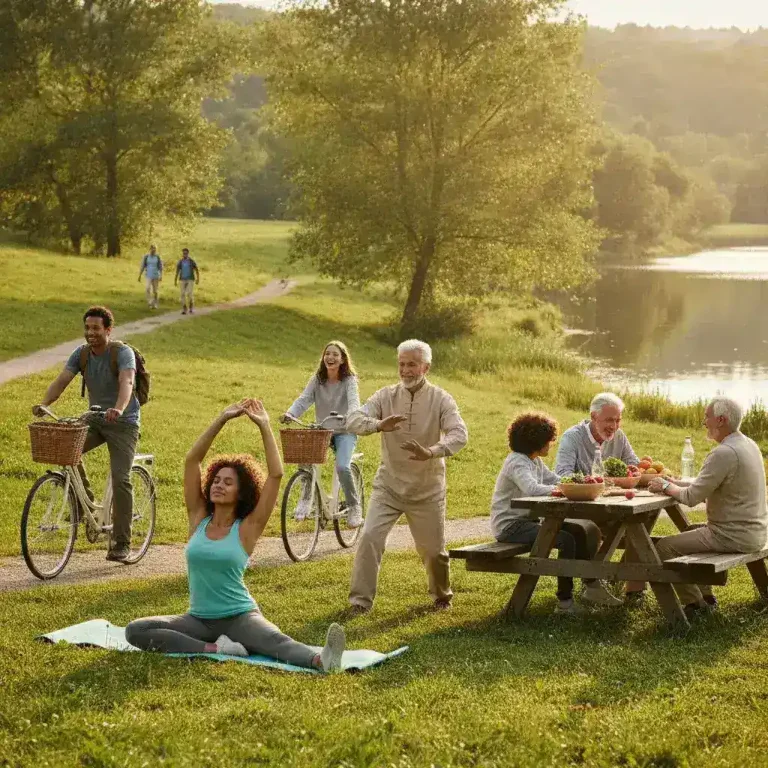
This makes it wildly sustainable. People in their 50s, 60s, even 80s are finding that gentle, strength-based movement keeps them mobile, strong, and mentally clear. And for younger generations overwhelmed by burnout culture, it’s a welcome return to restorative motion that honors both ambition and well-being.
Why is it sticking?
Because it works:
- Busy parents can do 20-minute sessions at home.
- Chronic pain sufferers can regain mobility without flaring symptoms.
- High-performers can balance high stress with calming, yet effective routines.
- Athletes use it to stay agile and injury-free between intense phases.
Soft fitness fits real life—and that makes it unstoppable.
5. Rewriting the Rules of Strength and Success
This quiet revolution isn’t just physical. It’s philosophical.
Where traditional fitness focused on aesthetics and competition, soft fitness shifts the focus to function, mindfulness, and inner strength.
- It’s not about being the best. It’s about feeling your best.
- Not about chasing a number. But about reclaiming your body.
- Not about speed. But about control.
In this new landscape, power isn’t measured by how much you lift—but by how well you move through life. How effortlessly you get up from the floor. How peacefully you fall asleep. How deeply you breathe after a long day.
That’s why soft fitness is more than a method. It’s a new language of self-respect.
🌿 Final Thoughts: Soft Is a Superpower
Soft doesn’t mean small.
Slow doesn’t mean weak.
Gentle doesn’t mean ineffective.
In a world obsessed with extremes, soft fitness is radical. It honors the body. It rewires the mind. It refuses the lie that we must break ourselves to become better.
So the next time someone asks what kind of workout you’re doing, you can say:
“The kind that lasts. The kind that heals. The kind that makes me unstoppable.”
About the Author