Best Protein for Muscle Gain and Recovery
Best Protein for Muscle Gain and Recovery defines the strategic selection, dosing, timing, and integration of dietary protein sources to maximize muscle protein synthesis, support resistance training adaptation, preserve lean mass during calorie deficits, and optimize long term hypertrophy outcomes.
Protein Quality and Amino Acid Profile
Protein drives skeletal muscle repair and growth through stimulation of muscle protein synthesis. The Best Protein for Muscle Gain and Recovery is determined by amino acid composition, digestibility, leucine content, and total daily intake rather than marketing category.
Proteins consist of amino acids. Nine are essential, meaning they must be obtained from diet. Muscle protein synthesis requires adequate availability of all essential amino acids. A deficiency in one limits synthesis regardless of abundance in others.
Leucine plays a central regulatory role in activating mTOR, the mechanistic target of rapamycin pathway. mTOR signaling initiates translation processes responsible for new muscle protein formation. The biological role of mTOR in muscle is described in mechanistic detail in the NCBI mTOR signaling overview.
High quality proteins contain sufficient leucine per serving to surpass the leucine threshold required to maximally stimulate muscle protein synthesis. Animal derived proteins such as whey, casein, eggs, poultry, beef, and dairy typically contain higher leucine density compared to many plant sources.
Digestibility influences amino acid availability. The digestible indispensable amino acid score evaluates protein quality based on ileal digestibility and essential amino acid composition. Proteins with higher digestibility and complete amino acid profiles are more efficient per gram consumed.
Whey protein is rapidly digested, producing a sharp rise in plasma amino acids. This rapid absorption increases muscle protein synthesis acutely. Casein digests more slowly, resulting in prolonged amino acid release. Both can support hypertrophy when total intake is sufficient.
Plant based proteins such as soy, pea, rice, and hemp vary in amino acid composition. Soy protein is considered complete and has been studied extensively. Meta analyses comparing soy and whey demonstrate similar hypertrophy outcomes when total protein intake is matched, as summarized in research available through the National Center for Biotechnology Information protein comparison review.
Blended plant proteins can compensate for limiting amino acids by combining complementary profiles, such as rice with pea. Total daily essential amino acid intake remains determinant.
Protein density per calorie influences diet design. During calorie deficit phases, selecting higher protein density foods preserves lean mass while controlling total energy intake.
Egg protein provides high biological value and contains all essential amino acids. Whole eggs also contain dietary fat and micronutrients. Egg consumption and muscle protein synthesis have been investigated in controlled trials, including work summarized at the American Journal of Clinical Nutrition egg study.
Beef and poultry provide complete protein along with iron, zinc, and B vitamins. Lean cuts reduce unnecessary fat intake when caloric control is required.
Dairy sources such as Greek yogurt and cottage cheese provide casein rich protein with slow digestion kinetics. This property makes them suitable before extended fasting periods such as overnight sleep.
The best protein choice is context dependent. Rapid digestion may be preferred post training. Slow digestion may be preferred before sleep. Mixed meals moderate digestion speed naturally.
Total daily protein intake overrides minor differences in digestion rate for long term hypertrophy. Focusing exclusively on supplement type while ignoring total intake produces marginal gains.
Best Protein for Muscle Gain and Recovery Intake Targets
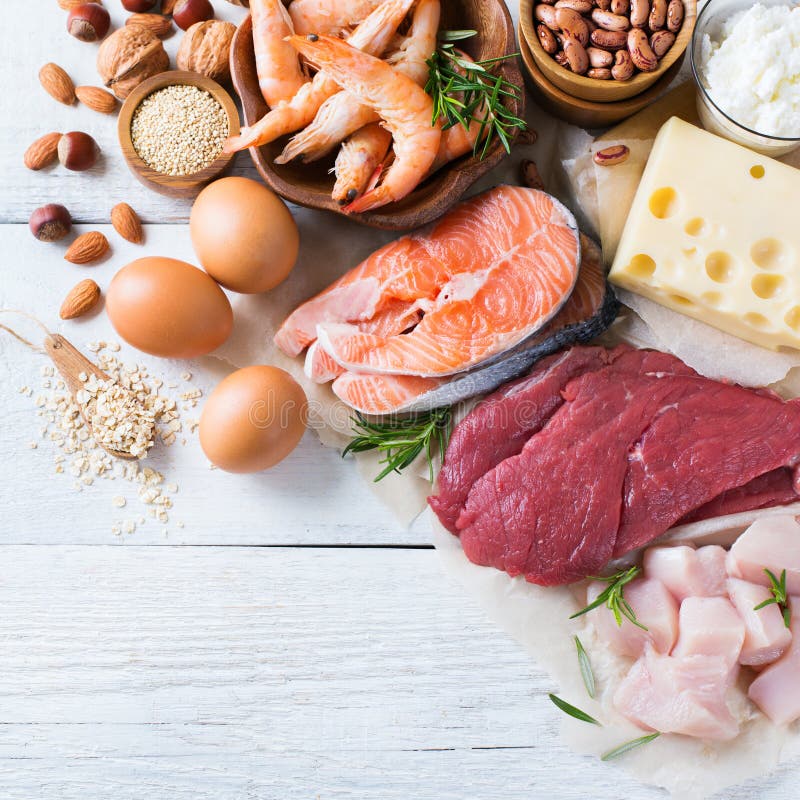
Muscle hypertrophy requires positive net muscle protein balance over time. Net balance equals muscle protein synthesis minus muscle protein breakdown. Dietary protein increases synthesis and reduces breakdown.
Daily intake between one point six and two point two grams per kilogram body weight supports maximal hypertrophy in resistance trained individuals. This range is supported by meta analysis available through the NCBI protein meta analysis review.
Higher intakes beyond this range show diminishing returns for muscle gain but may support satiety during calorie deficit.
Protein distribution across meals influences repeated stimulation of muscle protein synthesis. Consuming twenty to forty grams of high quality protein every three to five hours produces multiple anabolic pulses across the day.
Muscle protein synthesis exhibits a refractory period. After a protein rich meal, synthesis rises and then declines despite continued amino acid availability. Spacing intake allows repeated stimulation.
Pre sleep protein ingestion can enhance overnight muscle protein synthesis. Casein ingestion before sleep has been studied in controlled trials, with findings summarized in the NCBI pre sleep protein study.
During calorie deficits, protein requirements increase relative to maintenance to preserve lean mass. Intakes closer to two point two grams per kilogram may be advantageous when body fat is low and training volume is high.
In overweight individuals beginning resistance training, moderate protein intake combined with progressive overload can increase lean mass while reducing fat mass simultaneously.
Protein requirements scale with total lean mass and training intensity. Advanced lifters with higher training volumes require consistent high intake to match elevated turnover rates.
Excessively high protein intake beyond practical needs does not proportionally increase muscle gain. Energy balance, training stimulus, and recovery remain limiting factors.
Total caloric intake must support hypertrophy. Protein alone cannot drive muscle gain in severe caloric deficit. Muscle accretion requires energy availability to support synthesis processes.
Carbohydrates indirectly support protein utilization by sparing amino acids from oxidation and replenishing glycogen for high intensity training sessions.
Fat intake supports endocrine function. Extremely low fat diets may alter testosterone levels, which influence muscle growth potential. The relationship between dietary fat and hormones is reviewed in the NCBI dietary fat hormone analysis.
Hydration supports amino acid transport and plasma volume. Dehydration impairs performance and may reduce training stimulus.
Consistency in hitting protein targets daily matters more than sporadic high intake. Weekly averages should align with target range.
Protein Timing and Training Integration
Resistance training sensitizes muscle tissue to amino acids. The post exercise period exhibits increased responsiveness to protein ingestion. However, the anabolic window is broader than previously believed.
Consuming protein within several hours before and after training supports recovery. Immediate ingestion is not mandatory if total daily intake is adequate and evenly distributed.
Pre workout protein intake ensures circulating amino acids during training. This may reduce muscle protein breakdown.
Post workout ingestion supports synthesis when training induced signaling pathways are active. Rapidly digesting proteins such as whey produce faster amino acid availability.
Combined carbohydrate and protein ingestion post training enhances glycogen replenishment and insulin response, supporting recovery.
Training in fasted state without prior protein ingestion increases reliance on endogenous amino acids. Providing protein shortly after fasted training mitigates potential lean mass loss.
Daily total protein remains dominant variable. Timing fine tunes but does not override insufficient intake.
During high frequency training programs, consistent protein intake becomes critical to sustain repeated sessions across the week.
Supplemental protein powders provide convenience but are not biologically superior to whole foods when matched for amino acid profile and digestibility.
Whole food sources offer additional micronutrients and satiety. Supplements serve as logistical tools to meet targets.
Creatine supplementation combined with adequate protein enhances strength gains, indirectly supporting hypertrophy through increased training load. Comprehensive evaluation of creatine appears in the Examine creatine research review.
Caffeine may enhance training performance acutely but does not replace protein for recovery.
Alcohol consumption impairs muscle protein synthesis. Limiting alcohol intake supports anabolic processes.
Chronic sleep restriction reduces muscle protein synthesis rates. Research linking sleep and muscle adaptation is summarized in the NCBI sleep and muscle synthesis study.
Protein timing must integrate with lifestyle constraints. Consistency outweighs theoretical perfection.
Animal Versus Plant Protein Sources

Animal proteins typically contain complete essential amino acid profiles with high digestibility. Whey and casein derive from milk and are widely studied.
Whey protein isolate provides high protein concentration with minimal lactose. Whey concentrate contains additional carbohydrates and fats.
Casein forms a gel in the stomach, slowing gastric emptying. This property sustains amino acid release.
Red meat provides creatine naturally in addition to protein. However, excessive intake of processed red meat associates with adverse health outcomes. Lean unprocessed cuts moderate risk.
Poultry offers high protein density with relatively low fat when skin is removed.
Fish provides protein plus omega three fatty acids, which support cardiovascular health and may influence muscle protein synthesis signaling.
Plant proteins vary widely. Soy protein isolate provides complete amino acid profile and has been compared directly to whey in hypertrophy studies.
Pea protein isolate contains substantial essential amino acids but lower methionine compared to animal proteins. Blending with rice protein can balance profile.
Rice protein alone may lack sufficient lysine. Combining complementary plant sources improves overall amino acid adequacy.
Hemp protein contains fiber and fats but lower protein density compared to isolates.
For individuals following vegetarian or vegan diets, total daily protein target should account for slightly lower digestibility of plant proteins by modestly increasing total intake.
Digestive tolerance influences selection. Lactose intolerance may necessitate whey isolate or plant alternatives.
Cost and accessibility affect sustainability. The best theoretical protein source is irrelevant if adherence fails.
Processing level matters. Whole food proteins provide additional nutrients. Highly processed sources may lack micronutrients.
Ethical and environmental considerations influence choice for some individuals. Protein adequacy remains primary biological requirement.
Long Term Strategy for Hypertrophy
Muscle gain is cumulative. Daily protein sufficiency across months produces measurable hypertrophy when combined with progressive resistance training.
Rate of muscle gain is limited. Natural trainees can expect modest increases annually depending on training age and genetics.
Caloric surplus between two hundred and four hundred calories above maintenance supports lean mass gain while limiting fat accumulation.
Excessive surplus increases adiposity. Cutting phases then require caloric deficits that risk lean mass loss if protein intake and training are inadequate.
Body composition monitoring through skinfold, circumference, or imaging provides better insight than scale weight alone.
Insulin sensitivity influences nutrient partitioning. Resistance training improves glucose uptake independent of insulin, enhancing carbohydrate utilization in muscle.
Micronutrient sufficiency supports enzymatic processes required for protein synthesis. Iron supports oxygen transport. Zinc supports immune and hormonal function.
Omega three fatty acids may enhance muscle protein synthesis response to amino acids in older adults.
Consistency in protein intake prevents periods of suboptimal synthesis. Skipping protein at multiple meals reduces total anabolic opportunity.
Advanced trainees may benefit from slight protein increases during high volume blocks to support elevated turnover.
Overemphasis on specific protein brands distracts from foundational principles. Total intake, quality amino acid profile, distribution, caloric adequacy, progressive overload, and recovery define outcome.
Best Protein for Muscle Gain and Recovery remains a functional concept rather than a single product. It is the protein source and intake strategy that consistently delivers sufficient essential amino acids, particularly leucine, within total caloric framework that supports hypertrophy, integrated with structured resistance training and adequate recovery across extended time horizons.
About the Author