Introduction: The Rise of Biohacking in Everyday Life
In recent years, biohacking has shifted from being a niche practice reserved for Silicon Valley elites and science enthusiasts into a mainstream health and wellness movement. With the rapid growth of wellness tech—from wearable devices to personalized nutrition apps—everyday people now have access to tools that were once considered futuristic. The idea is simple: by tracking and tweaking small aspects of our bodies and minds, we can unlock better health, sharper focus, and longer-lasting energy.
This article explores how wellness technology is making biohacking accessible to the masses, the benefits it brings, and the smart ways you can integrate it into your own lifestyle.
What Is Biohacking?
At its core, biohacking is about optimizing the body and brain through data, technology, and lifestyle changes. It can range from simple habits, like adjusting your sleep schedule based on your circadian rhythm, to more advanced practices, such as using continuous glucose monitors to track how your body responds to different foods.
Common forms of biohacking include:
- Nutrition-based biohacks: Supplements, intermittent fasting, or personalized diets.
- Tech-driven biohacks: Wearable devices, sleep trackers, and brain-training apps.
- Lifestyle biohacks: Cold exposure, meditation, and breathwork.
By combining traditional wellness practices with modern technology, biohacking makes it easier to achieve measurable results.
The Role of Wellness Tech in Biohacking
1. Wearable Devices
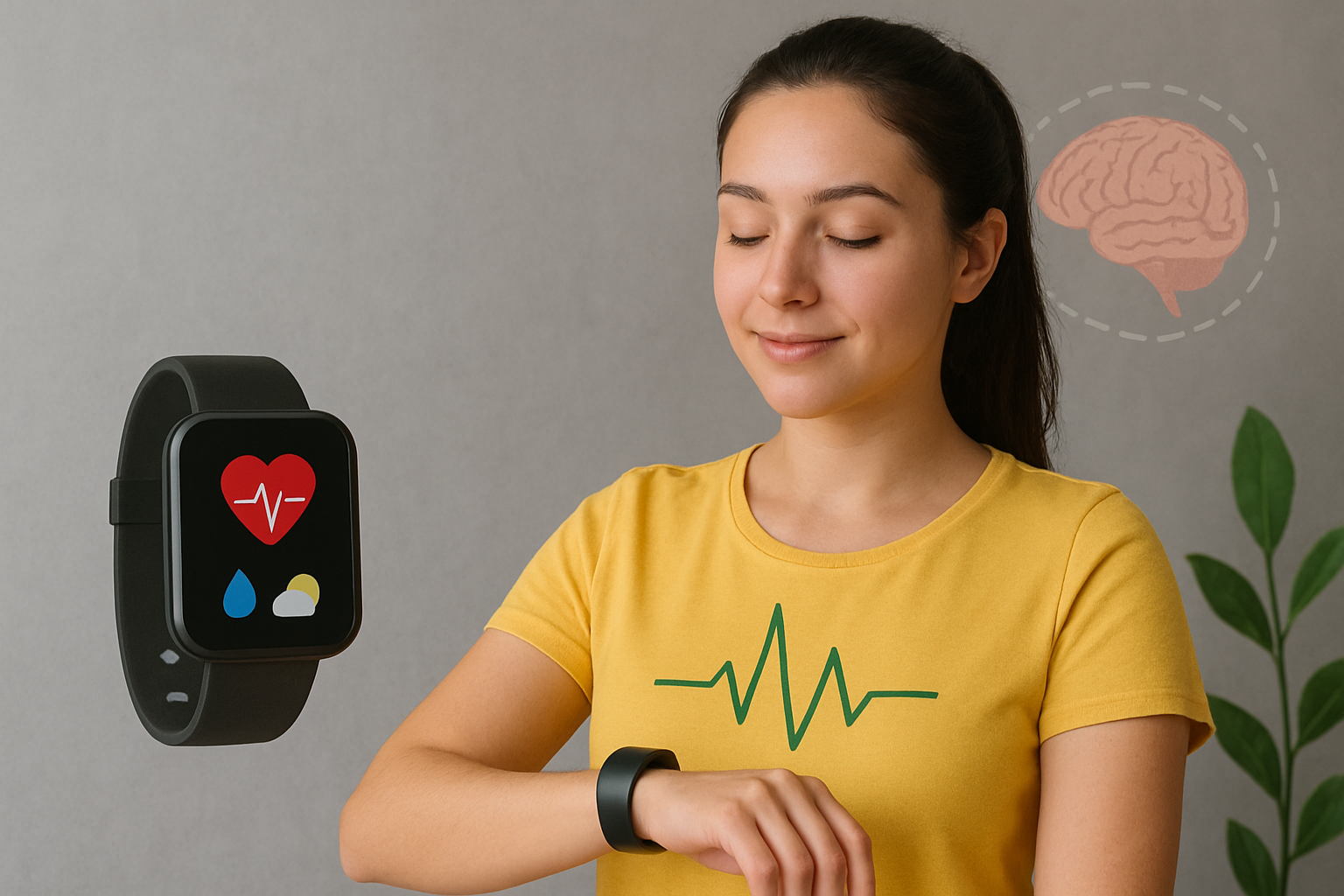
Wearables like smartwatches, fitness trackers, and smart rings have transformed the way we monitor health. They track heart rate, sleep cycles, activity levels, and even stress responses. This constant flow of data empowers individuals to make informed decisions about their daily routines.
2. Sleep Optimization Tools
Sleep is the foundation of health, and wellness tech provides powerful ways to improve it. Devices like the Oura Ring, WHOOP band, or specialized sleep apps can track deep sleep, REM cycles, and sleep disturbances. Many also give actionable recommendations for improving rest quality.
3. Nutrition and Metabolism Tracking
Continuous glucose monitors (CGMs) and nutrition apps allow users to understand how food affects energy, mood, and long-term health. By monitoring real-time blood sugar responses, users can fine-tune diets for maximum performance.
4. Cognitive Enhancement Apps
Brain-training platforms and mindfulness apps are helping millions sharpen focus, reduce stress, and enhance productivity. From guided meditation to neurofeedback, the digital wellness space is full of tools to support mental health.
Benefits of Biohacking with Wellness Tech
The integration of biohacking and technology brings a wide range of benefits, including:
- Personalized Health Insights: Instead of generic advice, you gain data-driven recommendations tailored to your unique body.
- Improved Energy and Performance: Tracking metrics like sleep, hydration, and movement helps optimize daily performance.
- Stress and Mental Health Management: Wearables can detect elevated stress levels and suggest breathing exercises or relaxation techniques.
- Preventive Health Care: Early insights into potential health issues allow users to address problems before they escalate.
How to Start Biohacking Safely
While biohacking sounds high-tech, beginners can start small:
- Track Your Sleep – Use a wearable or app to analyze your sleep patterns and adjust your routine for better rest.
- Experiment with Nutrition – Try a food diary app or a glucose monitor to see how meals affect energy levels.
- Incorporate Movement – Wear a fitness tracker to stay accountable for daily steps and exercise goals.
- Practice Mindfulness – Apps like Headspace or Calm can guide you into consistent meditation practice.
- Stay Hydrated – Some smart bottles now track water intake and remind you to drink throughout the day.
Remember: the goal is incremental improvement. Start with one or two biohacks and build from there.
The Democratization of Biohacking

One of the most exciting aspects of wellness tech is its accessibility. What was once available only to elite athletes or wealthy tech enthusiasts is now within reach for the average person. Affordable smartwatches, free apps, and subscription-based services mean anyone can join the movement toward better health.
Furthermore, the social aspect of wellness platforms—such as communities built around Fitbit, Strava, or Apple Health—adds motivation and accountability, making health optimization not only personal but also communal.
Future Trends in Biohacking and Wellness Tech
The future of biohacking is bright, with innovations on the horizon:
- AI-powered health coaches that analyze your data and provide personalized recommendations.
- Non-invasive sensors that measure hydration, stress hormones, and nutrient levels.
- Smart clothing that tracks posture, muscle engagement, and even recovery.
- Brain-computer interfaces that enhance focus and reduce mental fatigue.
These advancements will continue to blur the line between everyday wellness and cutting-edge science.
Conclusion: A Smarter Approach to Health
Biohacking with wellness tech is no longer a trend reserved for the elite—it’s a practical, accessible approach to health and fitness. By integrating small changes supported by smart technology, anyone can boost energy, sharpen focus, and improve overall well-being.
Whether you’re just starting your health journey or looking for the next level of optimization, the tools are already in your hands. The future of fitness and wellness isn’t just about working harder—it’s about working smarter.
About the Author