1. From Brutal to Balanced: The Quiet Shift in Fitness Culture
There was a time when fitness meant pushing yourself to the edge. Think high-intensity workouts, pounding treadmills, and glorifying exhaustion. The louder you groaned, the stronger you were. But in the background, something quieter—something wiser—was taking root.
More people are turning their backs on burnout and leaning into balance. The pandemic reminded us that health isn’t just about abs or speed—it’s about resilience, recovery, and reconnection. And from that realization emerged a growing love for soft workouts: movement forms that are gentle on the body but powerful in results.
This isn’t a retreat from fitness. It’s a revolution of how we define it.
2. Why Light Doesn’t Mean Lazy: The Science Behind Low-Impact Training
Let’s get one thing clear—“light” doesn’t mean “easy” or “ineffective.”
Soft workouts engage muscles intentionally and deeply, often recruiting stabilizers and core muscles that heavy lifting can overlook. Slow, controlled movement allows for better form, better breathing, and better focus. It asks for mindful effort, not mindless reps.
Science backs it up:
- Isometric holds, like planks or barre pulses, create sustained muscle tension, improving endurance and tone.
- Low-impact resistance training improves bone density and muscle mass without overstressing joints.
- Breath-led movement (like yoga and tai chi) regulates the nervous system and reduces inflammation.
In other words, soft doesn’t mean slacking—it means smarter movement for sustainable strength.
3. The Longevity Link: How Gentle Movement Supports a Longer, Healthier Life

Aging gracefully isn’t about holding on to youth—it’s about moving in ways that honor your body’s evolution. Soft workouts are inherently designed for longevity.
Think of:
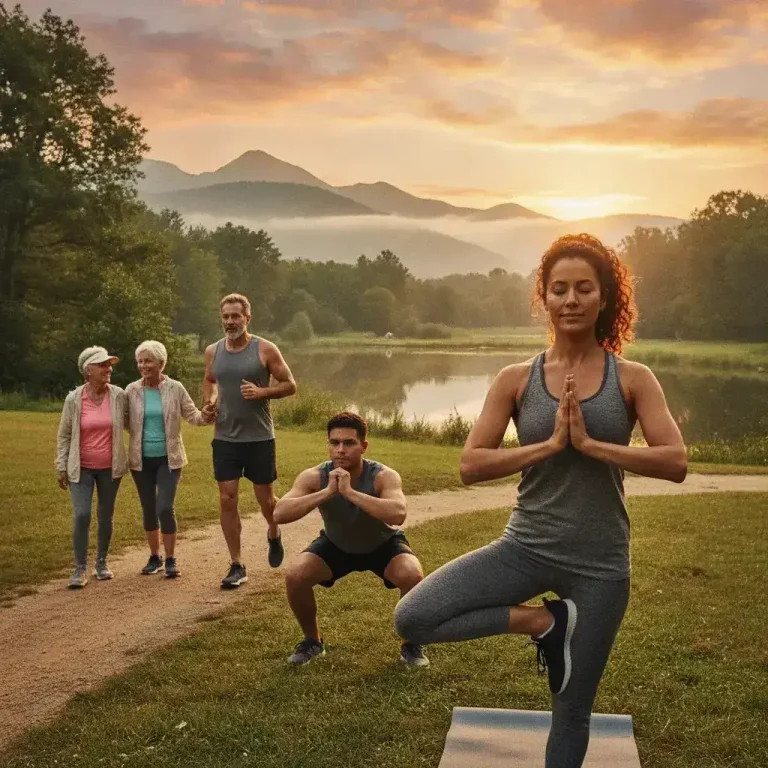
- Tai chi improving balance and preventing falls.
- Pilates supporting spine health and postural alignment.
- Daily mobility flows that maintain joint integrity and fluid movement.
As we age, high-impact routines can become damaging. But soft workouts provide an adaptable, lifelong practice that keeps people moving—and thriving—well into their 60s, 70s, and beyond.
In a world obsessed with six-week transformations, soft workouts offer something more radical: lifelong wellness.
4. Core, Control, and Calm: What Actually Happens in a Soft Workout
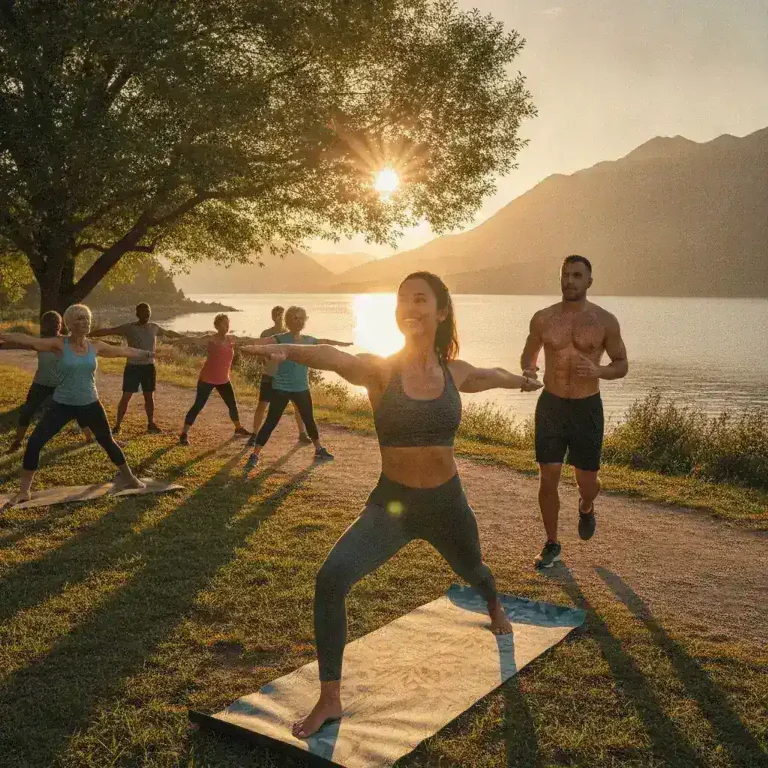
So what does a soft workout look like? Imagine a session that blends strength, stretch, and serenity.
- In Pilates, you build deep core stability through subtle, deliberate motion.
- In functional training, you mimic real-life movements to enhance your everyday strength.
- In somatic movement, you move intuitively, releasing tension held in the body.
- In yoga, each inhale and exhale becomes a guide, syncing mind and muscle.
These movements aren’t flashy. You won’t see PRs or big jumps. But you’ll feel deep activation, increased mobility, and often, a surprising afterburn—without leaving yourself wiped out.
Soft workouts invite a kind of inner listening that’s absent in louder, faster routines. You’re not just working out—you’re tuning in.
5. Fitness for Every Body: Why Soft Workouts Are Inherently Inclusive
Soft workouts break down the barriers of traditional fitness. You don’t need to be fit before you start. You don’t need fancy gear, high pain tolerance, or a “perfect” body.
This is fitness that welcomes:
- Beginners and people recovering from injury.
- Busy parents and older adults.
- Plus-size bodies, disabled bodies, and neurodivergent minds.
Soft workouts say: You belong here, just as you are.
This inclusivity is reshaping the culture of movement. It’s not about punishment or perfection—it’s about participation. It’s about building confidence, slowly and kindly, from the inside out.
6. Daily Movement, Not Daily Burnout: Routines That Fit Real Life
The best workout is the one you’ll actually stick with. Soft workouts make that possible.
They’re:
- Short (as little as 10–20 minutes)
- Accessible (no gym required)
- Flexible (adjustable for energy levels or injuries)
- Habit-forming (because they feel good, not draining)
Imagine:
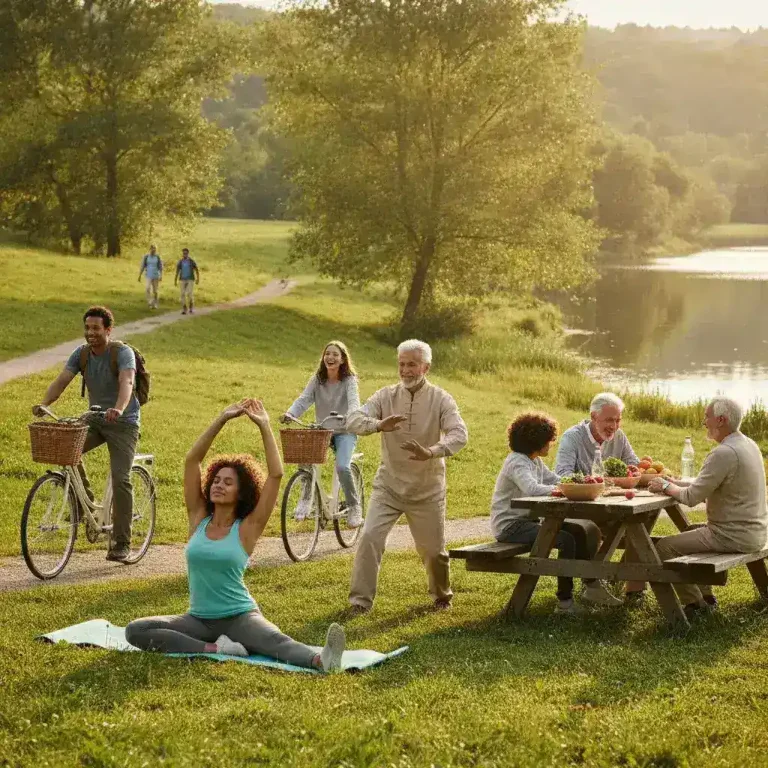
- A 15-minute sunrise stretch flow before the kids wake up.
- A walking meditation during your lunch break.
- A low-impact mobility session while watching your favorite show.
Soft fitness fits into your life. It’s not something you rearrange your schedule for—it’s something you weave in with care and ease.
This is movement as a daily ritual, not a task to dread.
7. The Mind-Body Benefit: Movement as a Mental Reset
In the age of overstimulation, workouts have become more than physical—they’re psychological resets. And soft workouts? They shine in this department.
Through breath-led movement, calming rhythms, and intentional pacing, gentle fitness taps into the parasympathetic nervous system—that part of us wired for rest and repair.
Benefits include:
- Reduced anxiety and stress
- Improved sleep and digestion
- Increased focus and emotional resilience
It’s no coincidence that so many people finish a yoga or Pilates session feeling lighter, not just in body but in spirit.
Soft movement gives us space to feel, process, and release. It reminds us that movement isn’t just a tool for looking better—it’s a pathway to feeling whole.
✨ Final Thoughts: The Soft Revolution Has Only Just Begun
The rise of soft workouts is not about ditching all intensity—it’s about giving ourselves more options. More compassion. More sustainability.
It’s a rejection of the idea that fitness has to be hard to be effective. It’s a rebellion against shame, perfectionism, and grind culture. And most importantly, it’s an invitation to find joy in movement again.
So yes—move light. But move with intention.
Move often, and move kindly.
Because the truth is, when you move light—you just might live long.
About the Author