
Build Muscle Fast Using Progressive Overload Science
Build Muscle Fast Using Progressive Overload Science depends on mechanical tension, recovery biology, and nutrient signaling rather than workout novelty or volume extremes. Skeletal muscle hypertrophy is a regulated cellular adaptation driven by resistance stimulus, amino acid availability, and hormonal environment. Rapid gains occur when these inputs are aligned precisely and repeated consistently.
Mechanical Tension Is the Primary Driver of Hypertrophy
Muscle growth begins with mechanical tension placed on muscle fibers under load. Resistance training produces microtrauma that activates intracellular signaling pathways such as mTOR, initiating protein synthesis and tissue remodeling. Foundational exercise physiology literature from the National Strength and Conditioning Association explains that tension magnitude, not fatigue alone, determines hypertrophic response.
Lifting progressively heavier loads forces adaptation by recruiting higher threshold motor units. These fibers possess the greatest growth potential. Without progressive overload, the body maintains current tissue rather than expanding it.
Volume without intensity produces metabolic fatigue but limited structural change. Effective hypertrophy requires increasing resistance over time to sustain adaptive signaling.
Protein Intake Regulates Muscle Protein Synthesis

Dietary protein provides essential amino acids required to repair and build contractile tissue. Leucine acts as a molecular trigger for muscle protein synthesis, directly activating mTOR pathways.
Research summarized by the Journal of the International Society of Sports Nutrition demonstrates that adequate protein distribution across meals maximizes anabolic response and prevents muscle breakdown.
Insufficient protein intake shifts the body toward catabolism, particularly during intense training. Muscle growth cannot occur without positive net protein balance.
Whole protein sources such as eggs, dairy, meat, and legumes deliver complete amino acid profiles necessary for sustained hypertrophy.
Training Frequency Controls Growth Signaling
Muscle protein synthesis elevates for approximately twenty four to forty eight hours after resistance exercise. Training a muscle group again within this window renews the stimulus and maintains anabolic signaling.
Position stands from the American College of Sports Medicine support training each muscle group multiple times weekly to optimize hypertrophic adaptation.
Infrequent high volume sessions create long gaps in signaling, slowing cumulative growth. Distributed workload maintains consistent anabolic activity without excessive damage.
Frequency determines how often the body is instructed to build new tissue.
Build Muscle Fast Using Progressive Overload Science
Rapid hypertrophy emerges when progressive resistance, adequate nutrition, and recovery synchronization produce repeated cycles of protein synthesis exceeding breakdown. Comparative analyses in Sports Medicine show structured overload programs outperform randomized training approaches for lean mass development.
Muscle tissue responds to clear, repeatable demands. Variation without progression dilutes adaptation.
Recovery Enables Structural Remodeling
Training provides stimulus. Recovery produces growth. During sleep and rest, satellite cells repair damaged fibers and fuse to existing tissue, increasing cross sectional area.
Sleep research reviewed by the National Institutes of Health indicates that growth hormone secretion peaks during deep sleep stages, directly supporting muscle repair and fat metabolism.
Chronic sleep restriction reduces testosterone and elevates cortisol, impairing anabolic signaling. Recovery deficits therefore blunt hypertrophy regardless of training intensity.
Muscle is built between sessions, not during them.
Progressive Overload Requires Measurable Load Increases
Overload must be quantifiable. Adding resistance, repetitions, or total volume forces continued adaptation. Without measurable progression, neuromuscular efficiency improves but muscle size plateaus.
Strength development research published in the Journal of Applied Physiology confirms that increasing mechanical demand drives both neural adaptation and muscular hypertrophy.
Tracking load progression ensures the stimulus remains above maintenance threshold.
Caloric Sufficiency Supports Anabolism
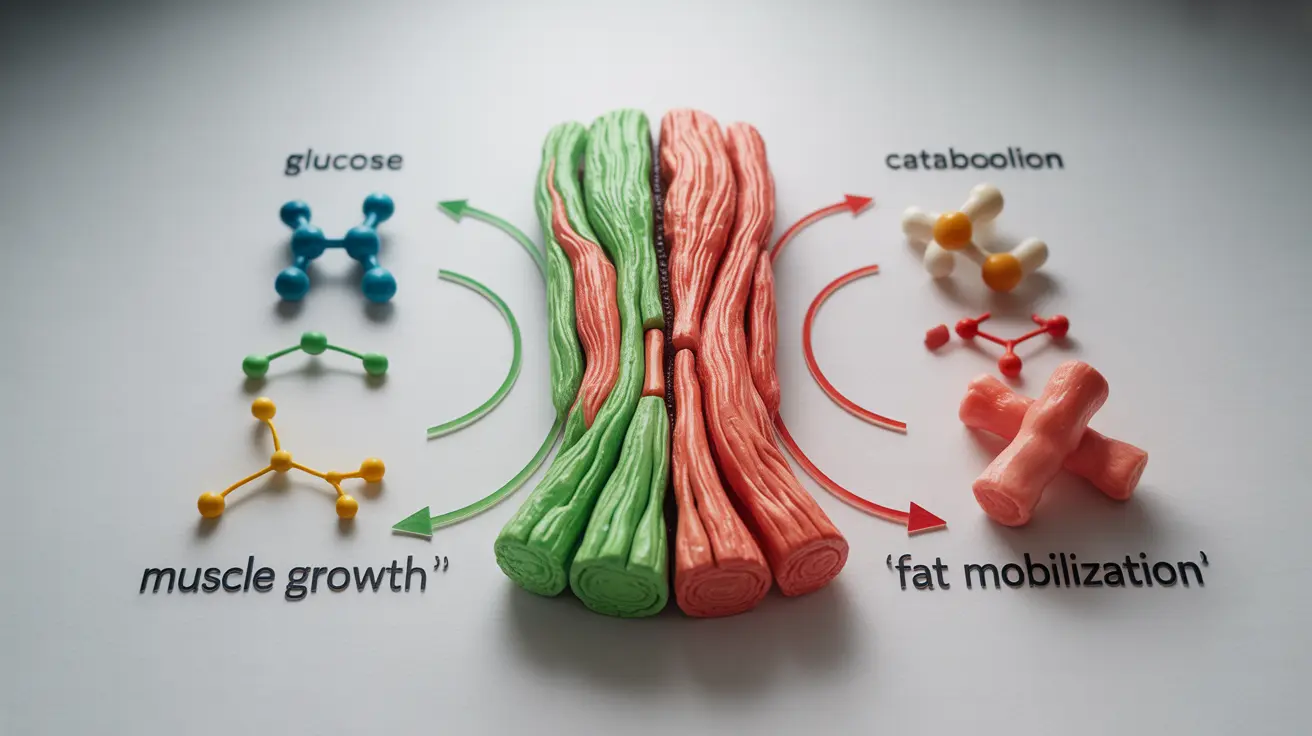
Muscle growth requires energy availability. Chronic caloric deficits shift metabolism toward conservation and limit protein synthesis. Moderate energy surplus supports glycogen storage, training intensity, and recovery processes.
Nutritional frameworks outlined by the International Society of Sports Nutrition emphasize balanced macronutrient intake to sustain anabolic metabolism without excessive fat gain.
Energy intake determines whether the body allocates resources toward construction or preservation.
Compound Movements Recruit Maximum Muscle Mass
Multi joint exercises such as squats, presses, rows, and deadlifts stimulate large amounts of muscle simultaneously, producing stronger anabolic hormone responses and greater mechanical tension.
Biomechanical analyses available through the British Journal of Sports Medicine highlight compound lifts as efficient drivers of total body hypertrophy due to coordinated motor unit recruitment.
Isolation exercises refine development but cannot replace foundational compound loading.
Hormonal Environment Influences Growth Capacity
Testosterone, growth hormone, and insulin like growth factor regulate protein synthesis and satellite cell activity. Resistance training combined with adequate nutrition supports favorable endocrine responses.
Endocrine reviews in Endotext describe how resistance exercise increases anabolic hormone sensitivity even without dramatic serum changes.
Chronic stress elevates cortisol, which counteracts these processes by increasing protein breakdown.
Hormonal balance reflects lifestyle inputs rather than isolated supplementation.
Training Volume Must Match Recovery Capacity
Excessive volume without recovery elevates inflammatory signaling and suppresses adaptation. Optimal hypertrophy occurs within a recoverable range where stimulus exceeds baseline but does not exceed repair capability.
Evidence based guidelines from the European Journal of Sport Science show moderate to high volume distributed across sessions produces greater lean mass gains than extreme single session workloads.
Adaptation requires repeatable stress, not exhaustion.
Nutrient Timing Enhances Repair Efficiency
Consuming protein and carbohydrates near training sessions replenishes glycogen and supplies amino acids during the period of heightened insulin sensitivity. This accelerates recovery and reduces muscle protein breakdown.
Metabolic studies in Cell Metabolism demonstrate that post exercise nutrient availability amplifies anabolic signaling pathways.
Timing refines efficiency but does not replace total daily intake.
Neuromuscular Adaptation Precedes Visible Growth
Initial strength increases arise from improved neural recruitment rather than muscle enlargement. Motor learning enhances synchronization and firing rates, enabling heavier loading that later drives hypertrophy.
Motor control research referenced in Frontiers in Human Neuroscience explains how nervous system adaptation sets the stage for structural change.
Skill development in lifting therefore contributes directly to muscle growth potential.
Micronutrients Support Cellular Construction
Vitamins and minerals act as cofactors in protein synthesis, oxygen transport, and ATP production. Deficiencies impair recovery and reduce training output.
Dietary guidance from the World Health Organization emphasizes nutrient dense foods to sustain physiological function during increased physical demand.
Iron, magnesium, zinc, and B vitamins are particularly critical for muscle metabolism.
Consistency Produces Cumulative Hypertrophy
Muscle growth is additive. Each training session produces a small increase in protein accretion. Over weeks and months these increments compound into visible size and strength gains.
Longitudinal resistance training studies tracked by the Framingham Heart Study demonstrate how sustained physical activity reshapes body composition across years.
Irregular training interrupts this accumulation and resets adaptation signals.
Cardiovascular Work Must Be Balanced With Strength Goals

Moderate aerobic activity supports recovery and cardiovascular health, but excessive endurance training competes with hypertrophy signaling through AMPK activation, which can inhibit mTOR pathways.
Concurrent training analyses discussed in Sports Medicine show that balancing modalities prevents interference while maintaining conditioning.
Energy systems must complement rather than contradict growth objectives.
Progressive Adaptation Defines Sustainable Muscle Gain
Hypertrophy reflects biological adaptation to repeated demand for strength production. Mechanical tension, nutrient availability, endocrine support, and recovery cycles interact continuously.
Muscle tissue expands only when the organism interprets resistance as a persistent environmental requirement. Remove the requirement and the adaptation reverses.
Growth therefore represents a long term negotiation between stimulus and biology rather than a short term intervention.
About the Author